

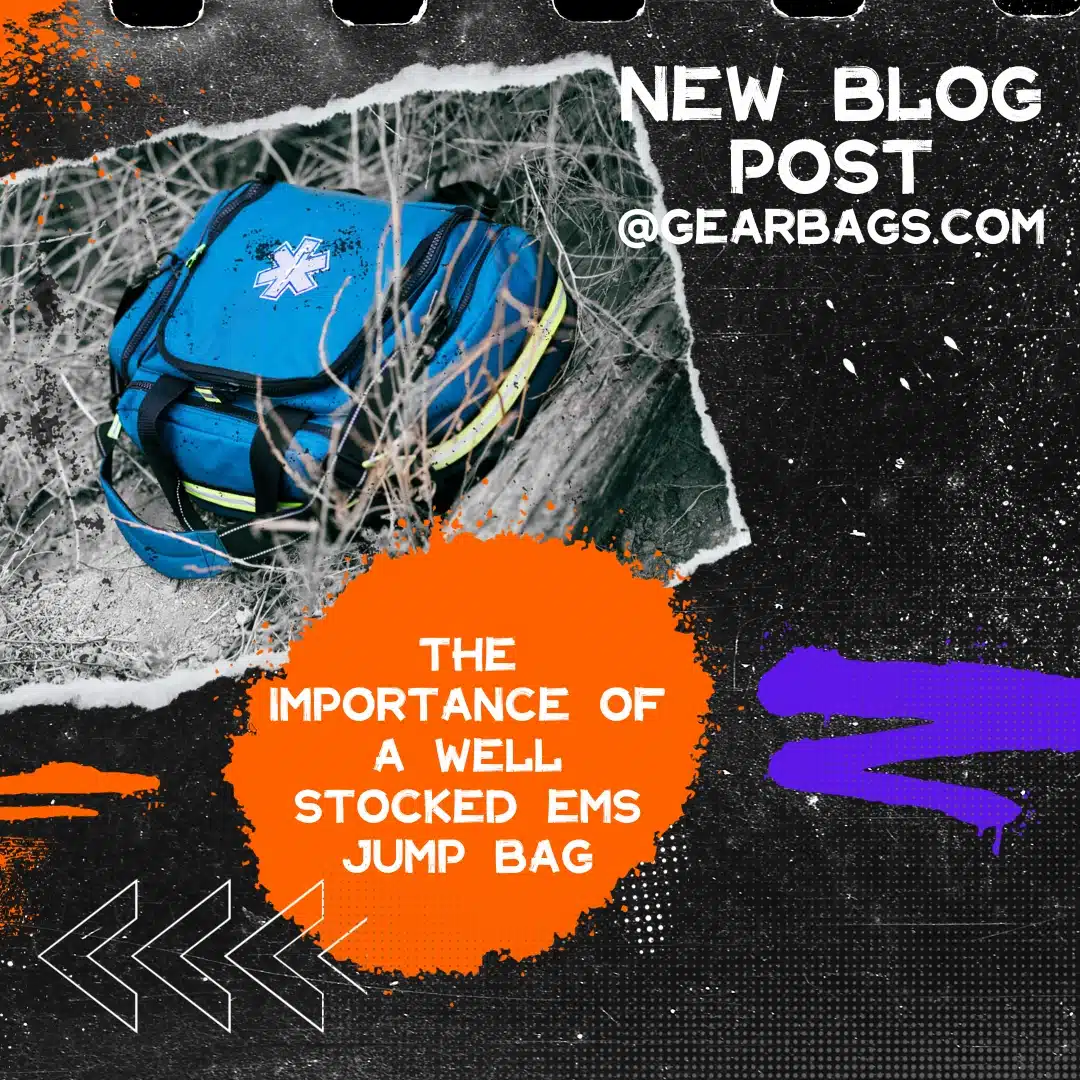
The Importance of a Well-Stocked EMS Jump Bag

In this comprehensive review, we’ll deep dive into the intricate details of tactical bags, exploring their features, the benefits they offer, and why they’ve gained such popularity among professionals and enthusiasts alike.

Origins and Evolution of the EMS Jump Bag
Historical Backdrop:
Journeying back in time, the earliest EMS bags were rudimentary, cobbled together from available materials and designed to address the most basic of injuries. Soldiers in battlefields would carry a satchel of essentials: bandages, antiseptics, and maybe a painkiller or two.
Modern Emergencies Shaping Design:
As the medical field has grown leaps and bounds, the demands on EMS have equally expanded. From natural disasters like earthquakes and tsunamis to man-made crises like industrial accidents and terror attacks, each emergency has added layers of requirements to the jump bag.
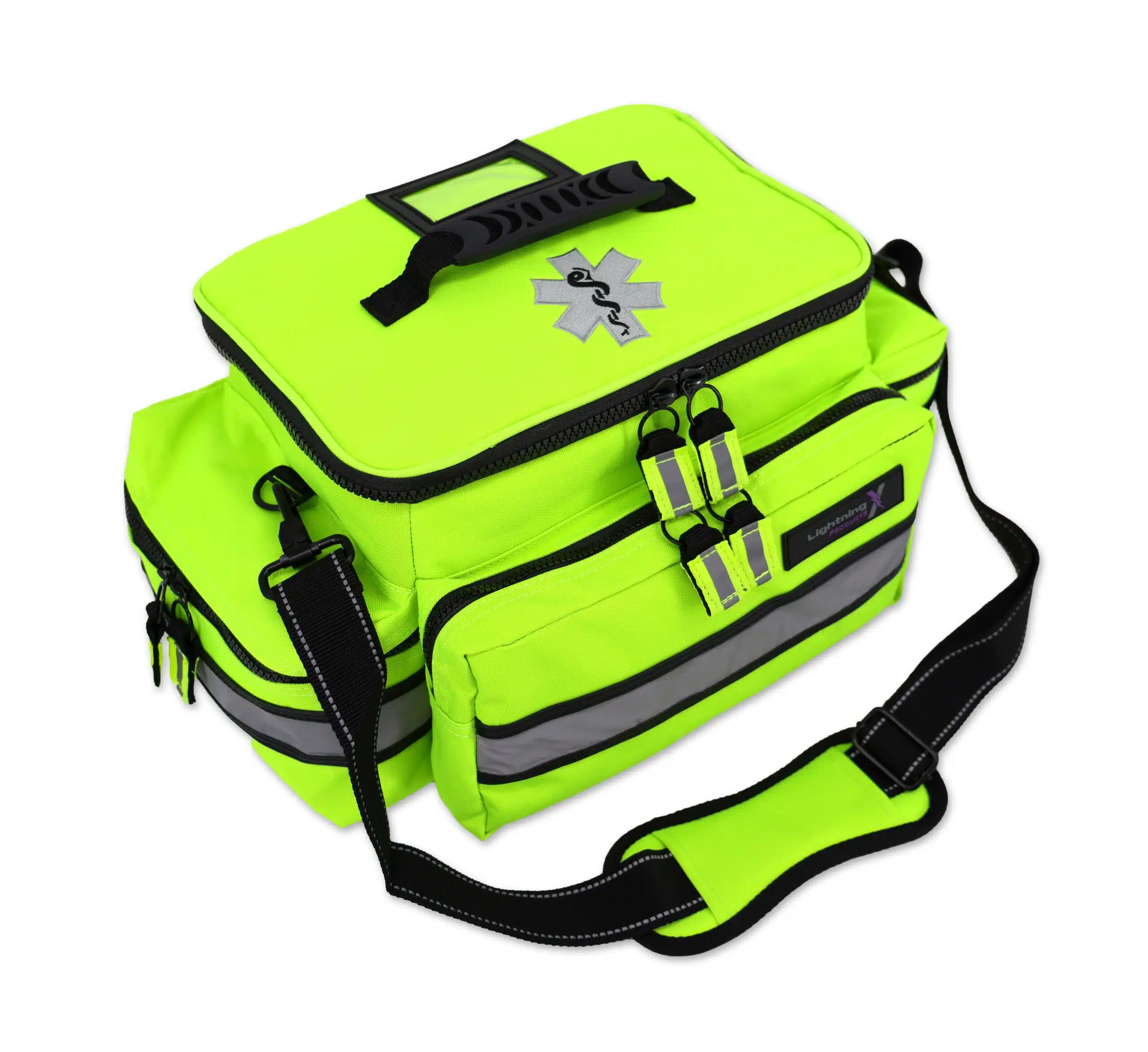
Breaking Down the Contents: Must-Haves in Every EMS Jump Bag
Basic Supplies:
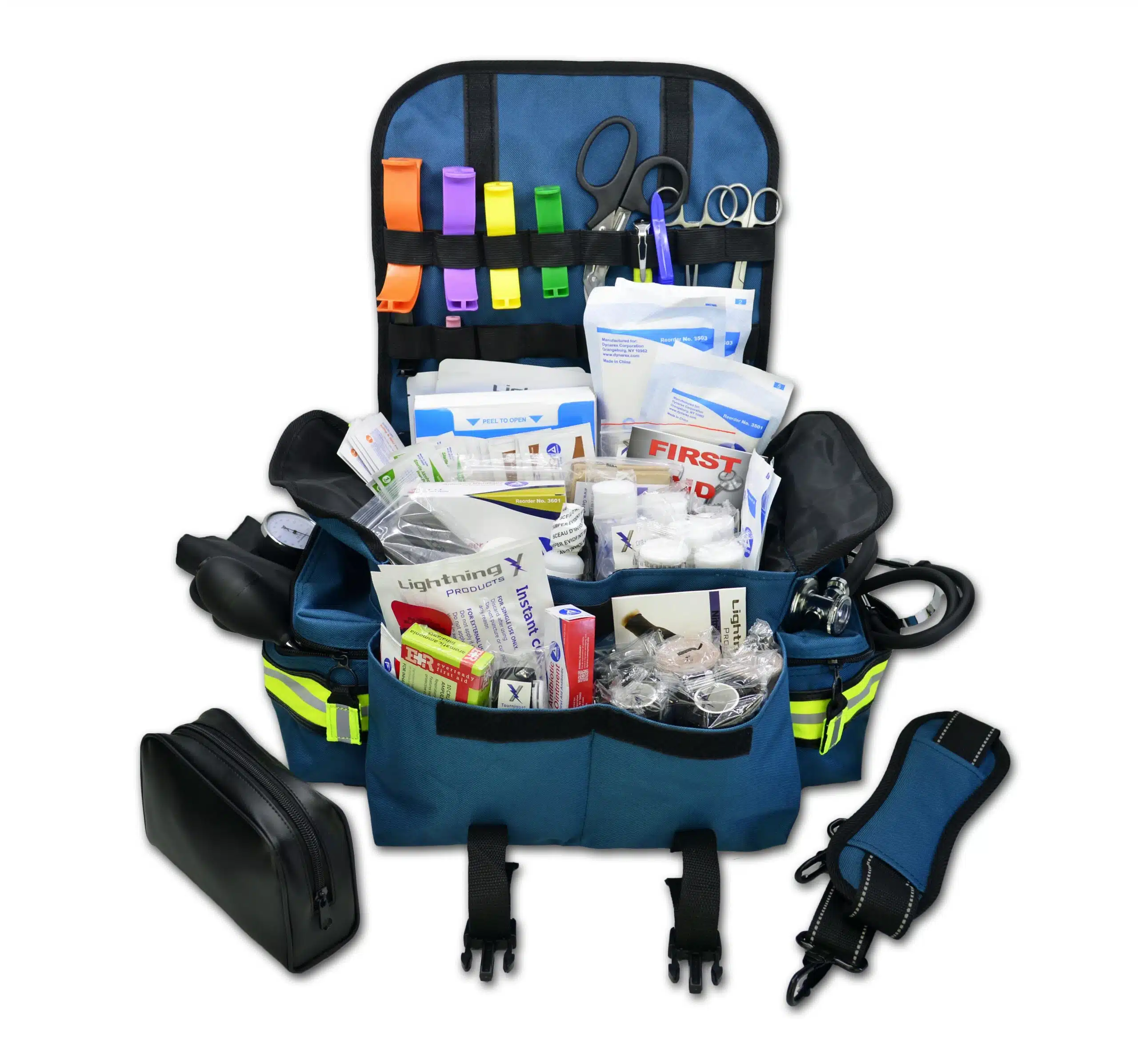
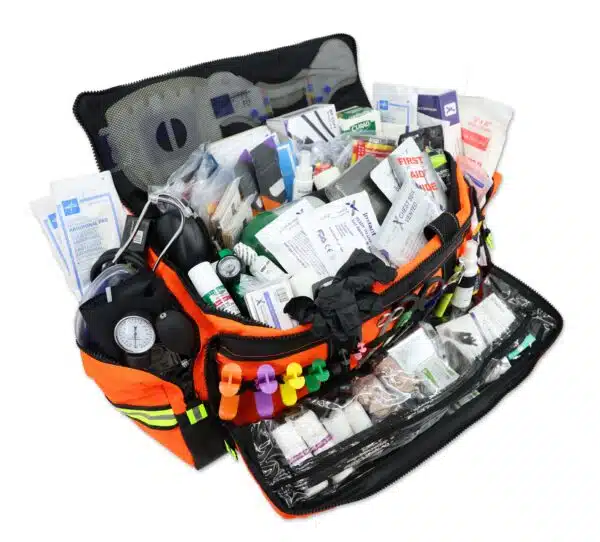
While bandages, gauze, and antiseptics still form the backbone, the spectrum has broadened to include various sizes and types of bandages, specialized burn creams, and different forms of wound cleaning agents.
Advanced Equipment:
Technological advancements have miniaturized previously bulky equipment. Portable defibrillators, once the size of suitcases, can now fit into the palm of a hand. Similarly, compact oxygen cylinders and masks, nebulizers, and even portable suction devices have become part and parcel of the modern jump bag.
Medicine and Drugs:
From analgesics to counter pain to epinephrine shots for severe allergic reactions, antipyretics to manage fever, and a range of cardiovascular drugs, the jump bag is now a mini-pharmacy on the go.
Personal Protective Gear:
In the era of global pandemics, protective gear like N95 masks, gloves, face shields, and even biohazard bags have become indispensable.
The Role of Organization and Accessibility
Design Philosophy – ‘Every Second Counts’:
An EMS bag is a study in organized chaos. To the untrained eye, it might seem cluttered, but to an EMT, every item has its designated place, ensuring swift access.
Color-Coded Compartments and Labels:
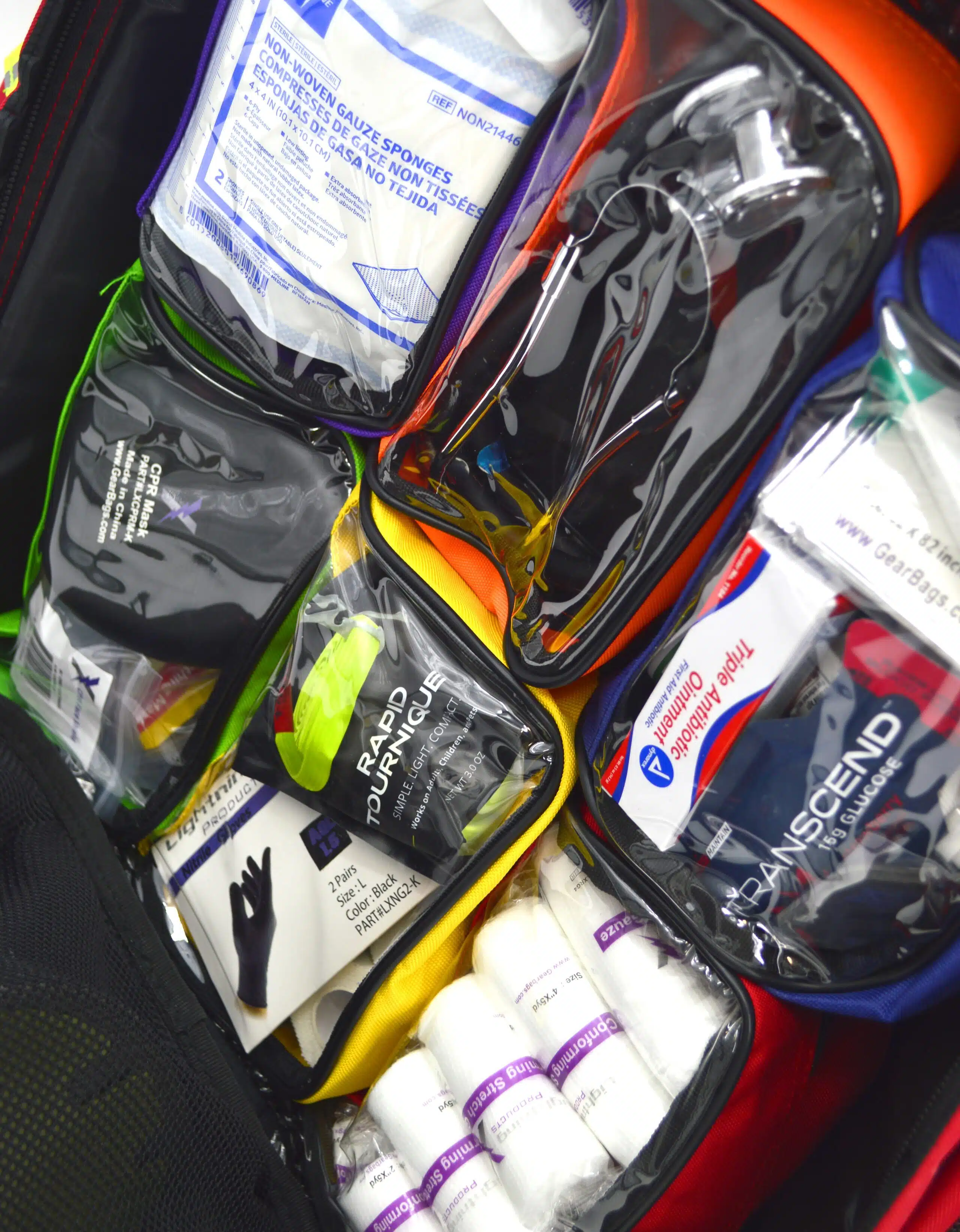
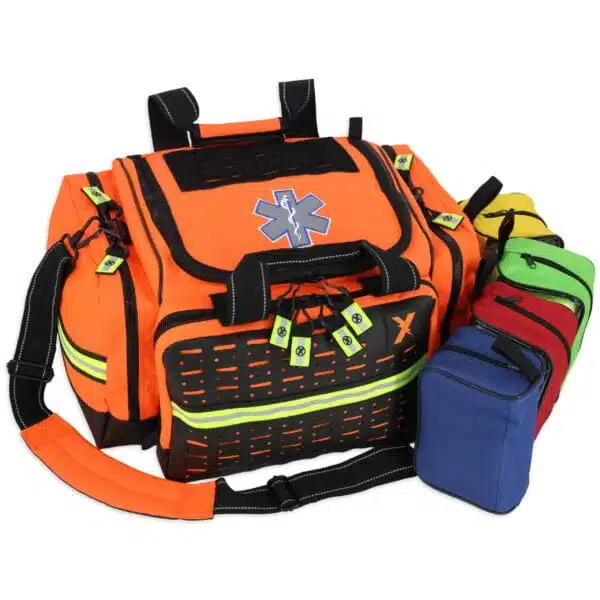
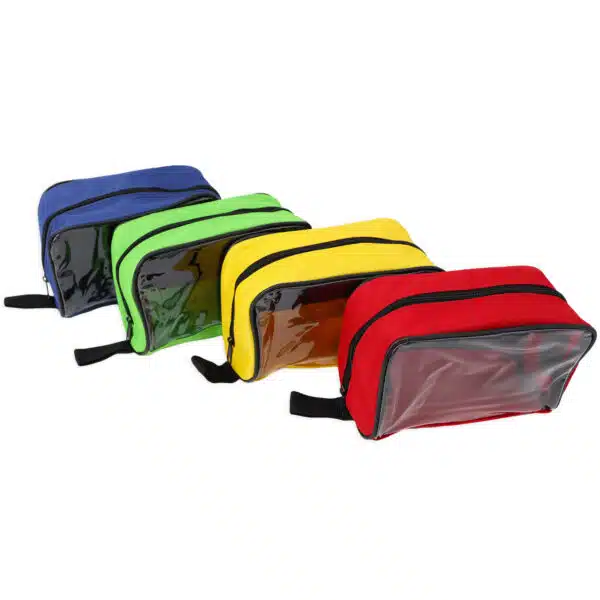
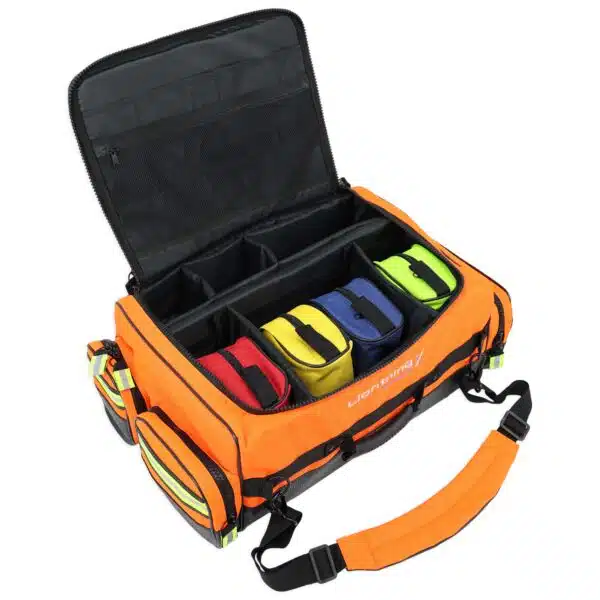
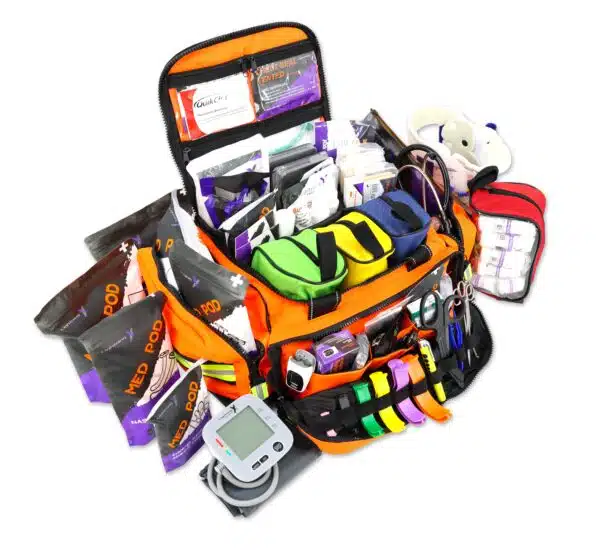
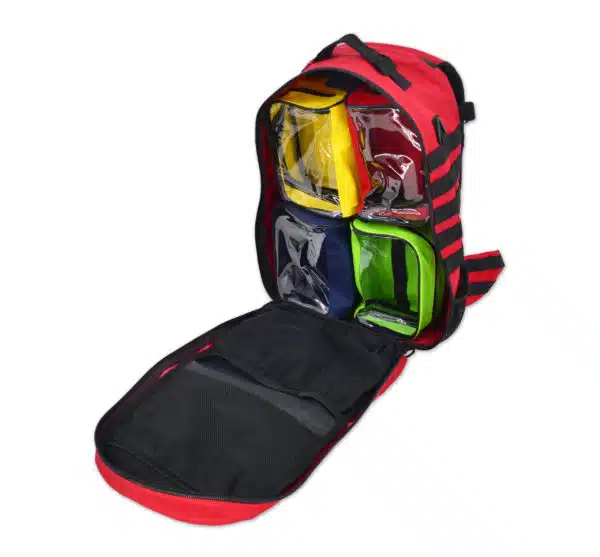
Visual cues, like color-coding, can drastically reduce the time taken to retrieve an item. Respiratory aids might be in a blue pouch, while trauma tools are in red, for instance. See how we solve this at Lightning X with our LX-MBP4 & LX-MBP8’s color coded pouches.
Balancing Act:
The challenge is to anticipate every possible emergency without overburdening the bag. It’s a fine line between being comprehensive and being cumbersome.
Maintaining and Upkeeping Your Jump Bag
Routine Checks:
At the end of each shift, a rigorous check ensures every used item is replenished. This systematic restocking ensures the bag is always ready for the next call.
Challenge of Expiration Dates:
Medicines, due to their nature, come with expiry dates. Regular checks ensure that no outdated medicine is ever administered.
Sanitization:
Given the diverse environments EMTs operate in, ensuring the bag and its contents are sanitized is crucial to prevent cross-contamination.
Lightning X EMS Jump Bags: A Class Apart
Our Range:
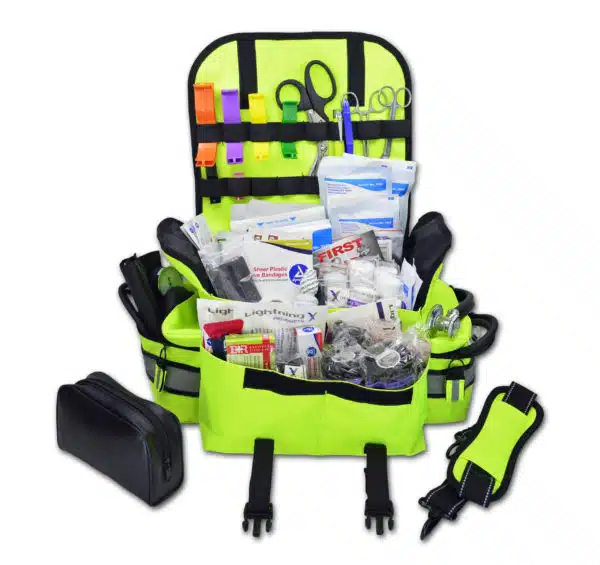
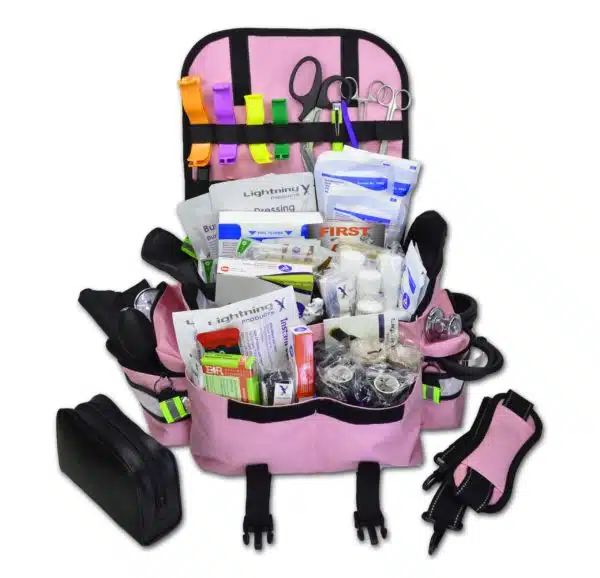
Each of our bags encapsulates years of feedback, research, and refinement. Our designs prioritize durability, accessibility, and organization.
Addressing Challenges:
We understand the unique challenges faced by EMTs. Whether it’s the need for a more ergonomic design to prevent back strain or the inclusion of thermally insulated pockets for temperature-sensitive medications, our bags are tailored to meet the exacting demands of the field.
 Fluorescent Yellow
 Navy Blue
 Orange
 Pink
Pink
 Purple
 Red
Red
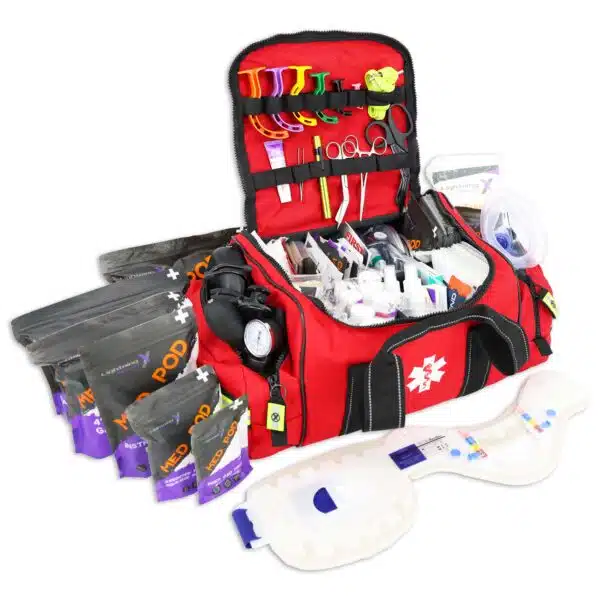
Small EMT Bag w/ Standard Fill Kit | MB20-SKB
Original price was: $129.99.$110.49Current price is: $110.49.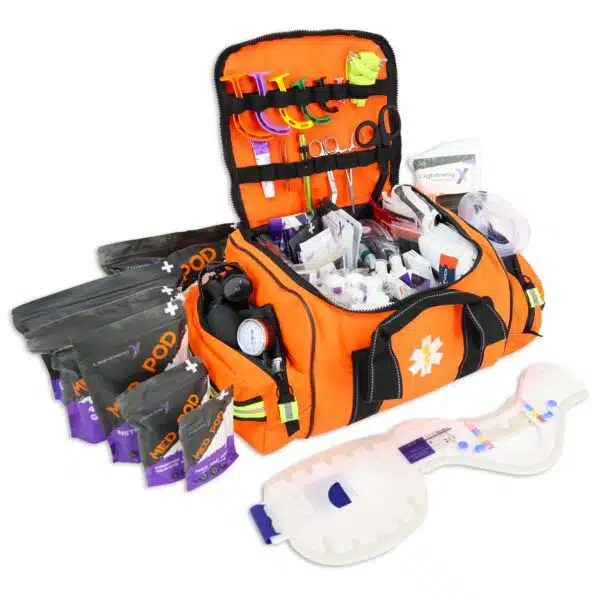
 Navy Blue
Orange
Purple
Red
Navy Blue
Orange
Purple
Red
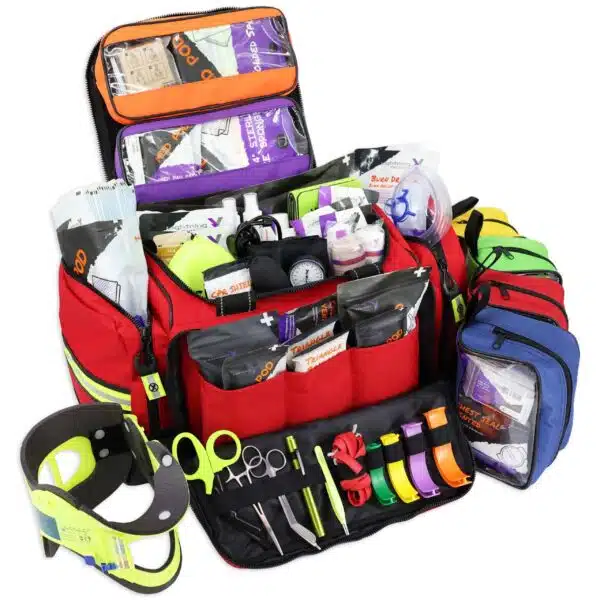
Large First Responder EMT Bag w/ Advanced Fill Kit | MB30-SKC
Original price was: $219.99.$186.99Current price is: $186.99.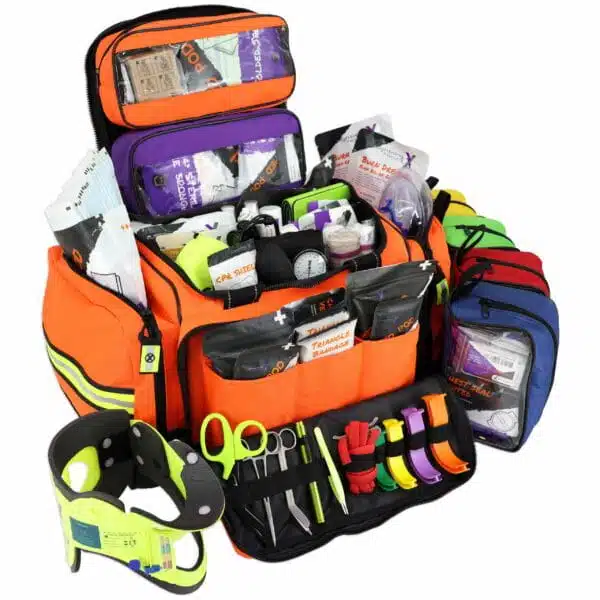
 Fluorescent Orange
Navy Blue
Red
Fluorescent Orange
Navy Blue
Red
Modular Intermediate Trauma Bag w/ Advanced Fill Kit | MB35-SKC
Original price was: $269.99.$229.49Current price is: $229.49.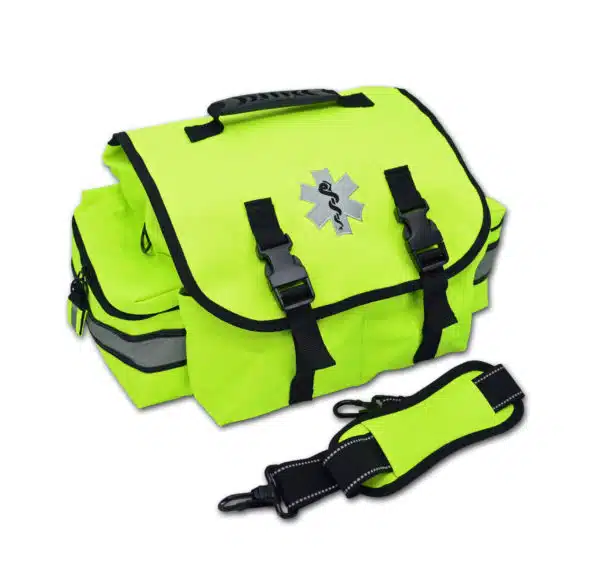
 Fluorescent Yellow
Navy Blue
Orange
Pink
Purple
Red
Fluorescent Yellow
Navy Blue
Orange
Pink
Purple
Red
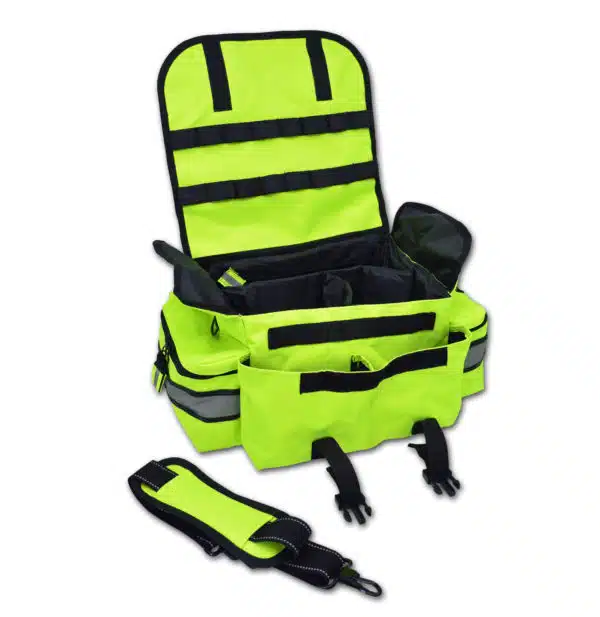
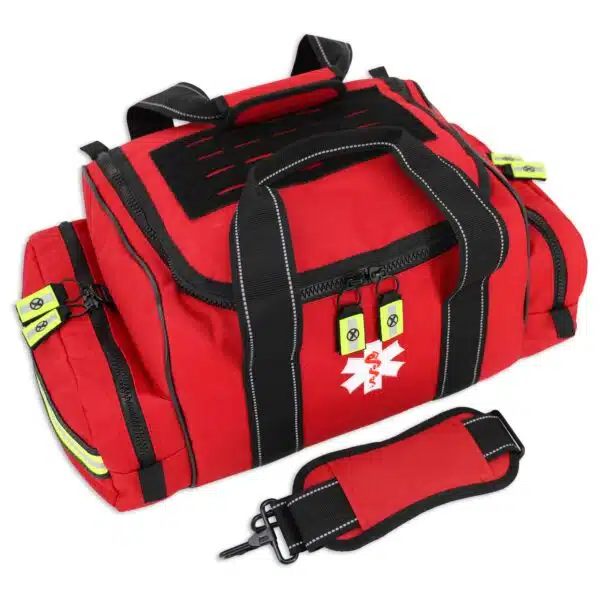
Small First Responder Bag | LXMB20
Original price was: $49.99.$42.49Current price is: $42.49.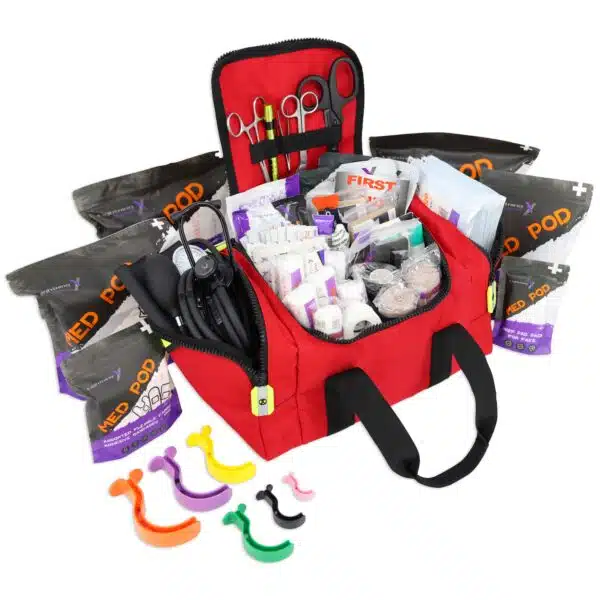
 Orange
Red
Orange
Red
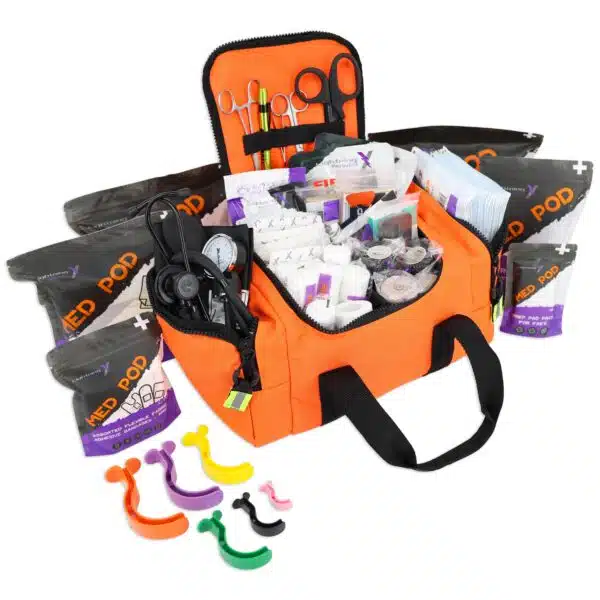
Compact First Responder Bag w/ Standard Fill Kit | MB10-SKB
Original price was: $109.99.$93.49Current price is: $93.49.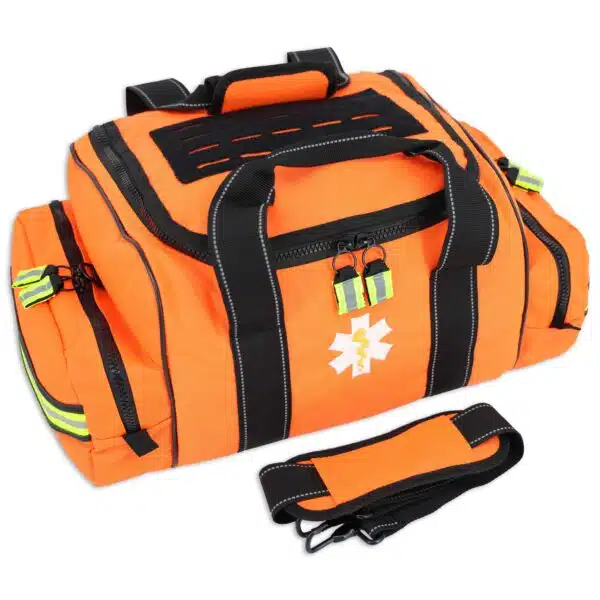
 Navy Blue
Orange
Purple
Red
Navy Blue
Orange
Purple
Red
Large First Responder EMT Bag | LXMB30
Original price was: $79.99.$67.99Current price is: $67.99.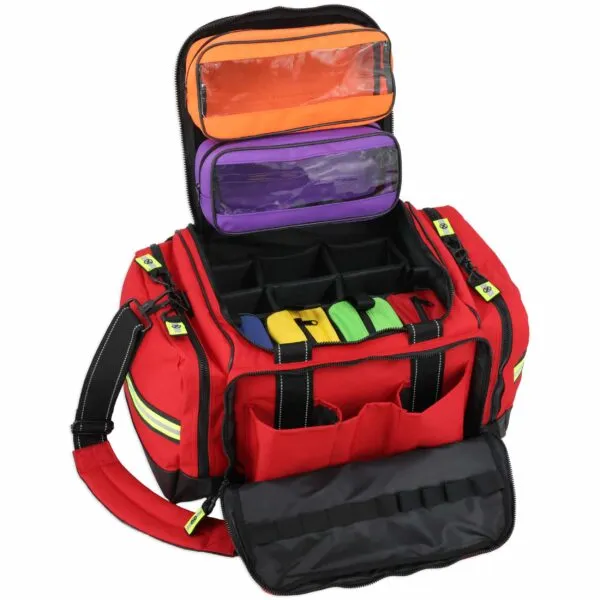
 Navy Blue
Orange
Red
Navy Blue
Orange
Red
Large Modular Intermediate Trauma Bag | LXMB35
Original price was: $129.99.$110.49Current price is: $110.49.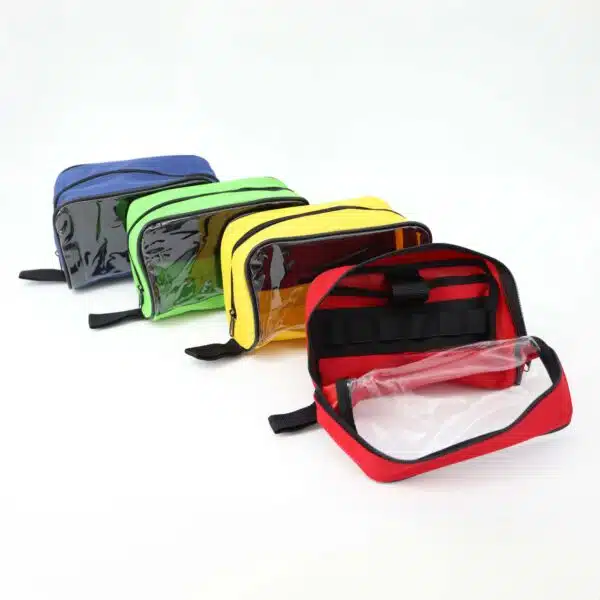
Color Coded Organizer Pouches For EMT Trauma Bags | LXMBP4
Original price was: $25.99.$22.09Current price is: $22.09.
 Orange
Red
Orange
Red
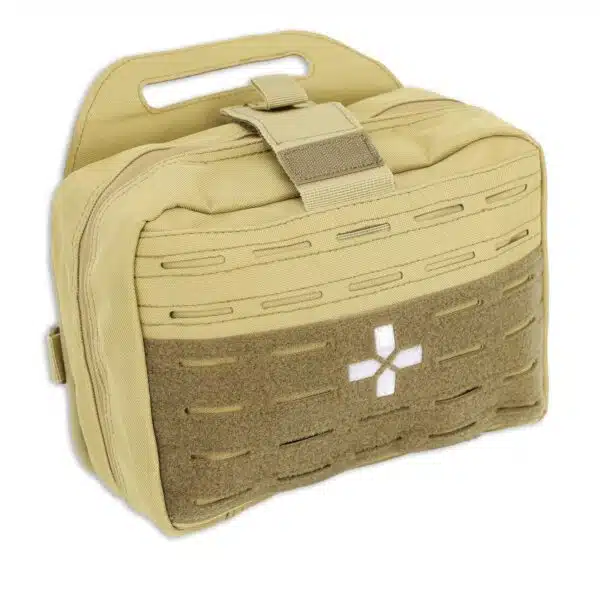
Compact First Responder Bag w/ Basic Fill Kit | MB10-SKA
Original price was: $89.99.$76.49Current price is: $76.49.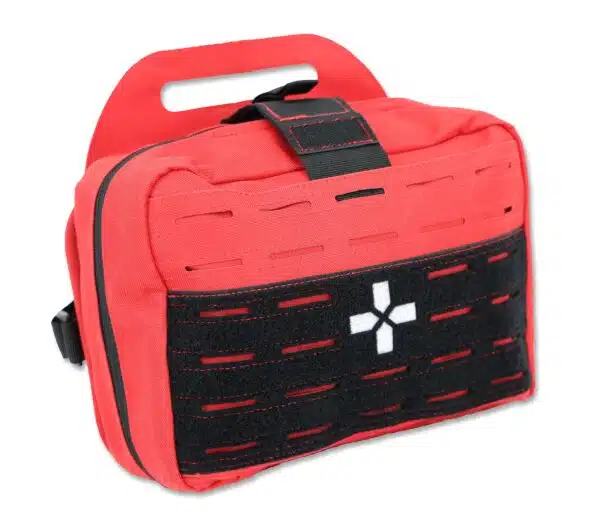
 Red
Red
 Tan
Tan
Rip-Away Vehicle Headrest Trauma Bag | LXPB50
Original price was: $49.99.$42.49Current price is: $42.49.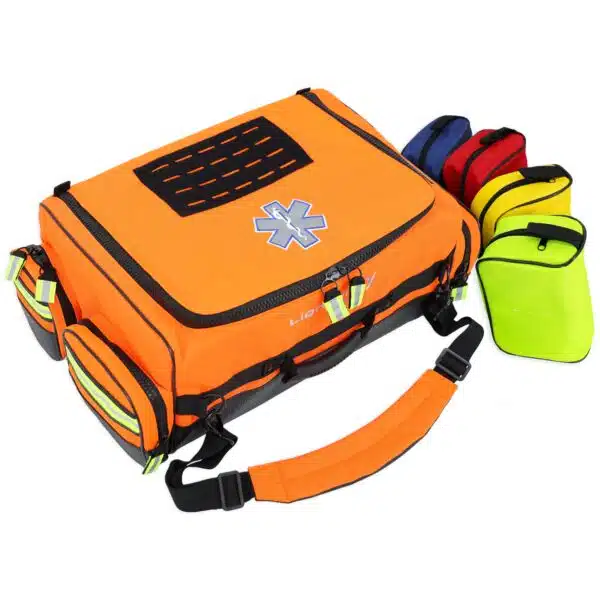
 Navy Blue
Orange
Red
Navy Blue
Orange
Red
Modular ALS Oxygen Trauma Bag | LXMB65
Original price was: $149.99.$119.99Current price is: $119.99.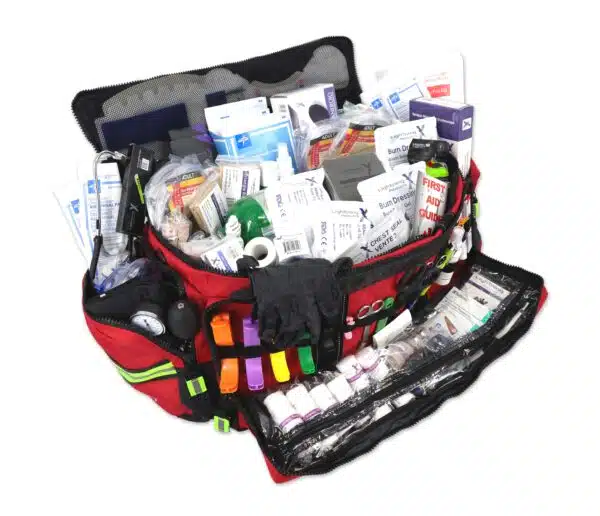
 Navy Blue
Orange
Red
Navy Blue
Orange
Red
Lightning X Pre-Stocked Oxygen Trauma Kit | MB50-SKD
Original price was: $399.99.$339.99Current price is: $339.99.
 Orange
Red
Orange
Red
Lightning X Value Compact Medic First Responder EMS/EMT Trauma Bag
Original price was: $39.99.$33.99Current price is: $33.99.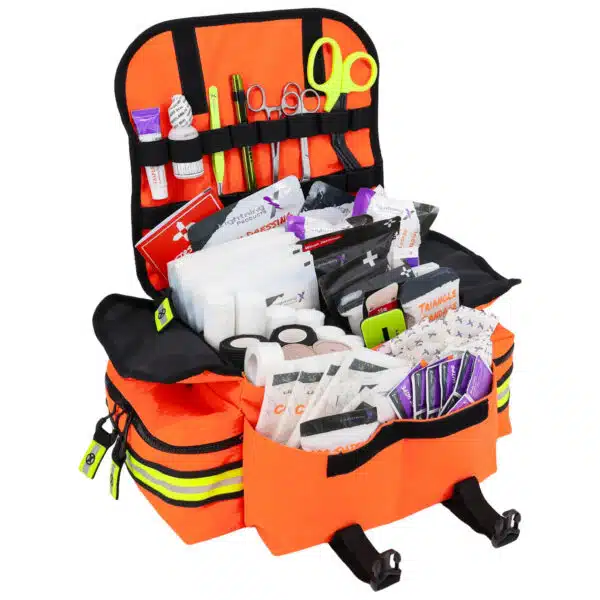
 Fluorescent Yellow
Navy Blue
Orange
Pink
Purple
Red
Fluorescent Yellow
Navy Blue
Orange
Pink
Purple
Red
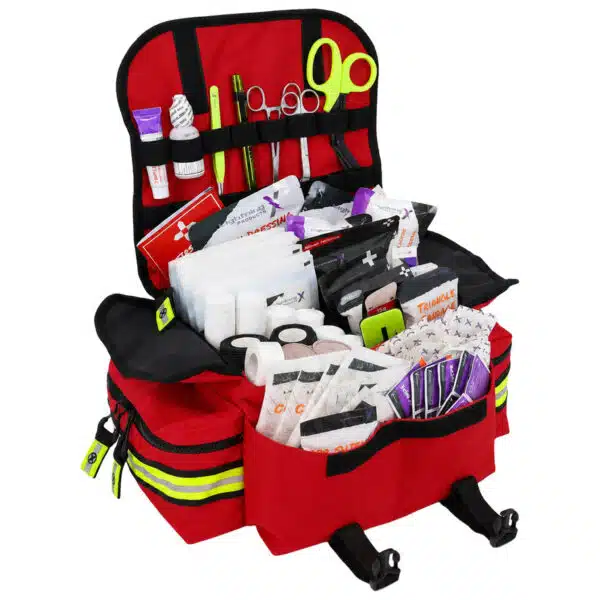
Small EMT Bag w/ Basic Fill Kit | MB20-SKA
Original price was: $99.99.$84.99Current price is: $84.99.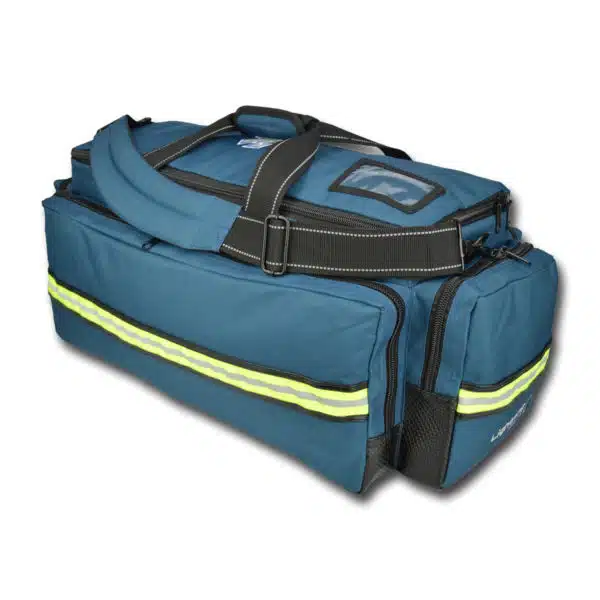
 Navy Blue
Orange
Red
Navy Blue
Orange
Red
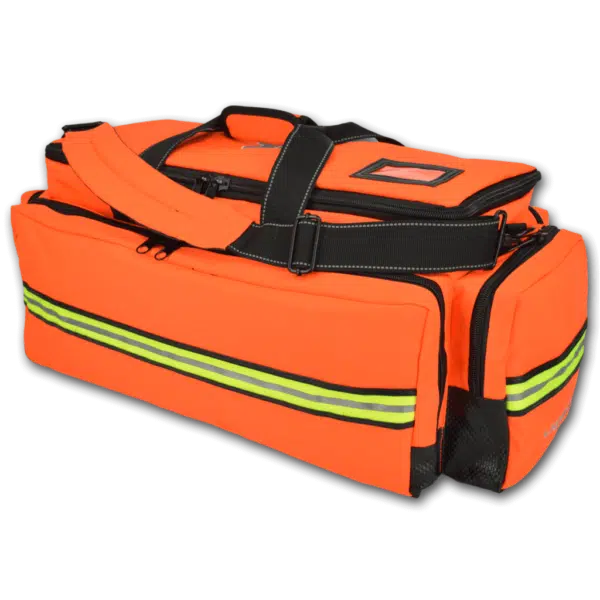
Premium Oxygen Trauma Bag | LXMB50
Original price was: $129.99.$99.99Current price is: $99.99.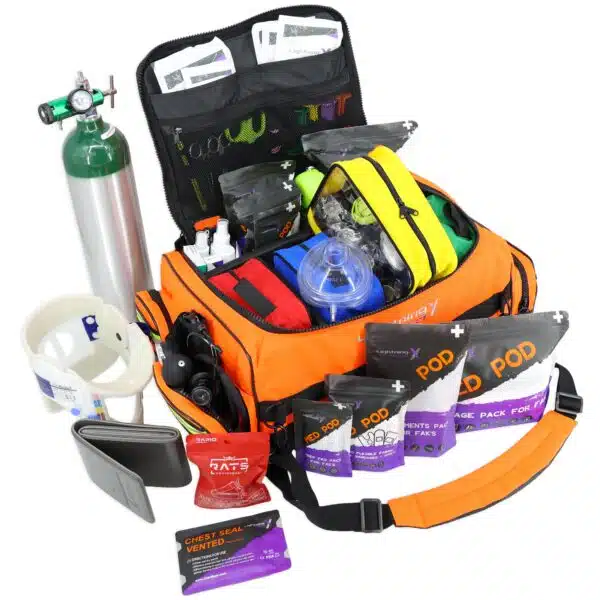
 Navy Blue
Orange
Red
Navy Blue
Orange
Red
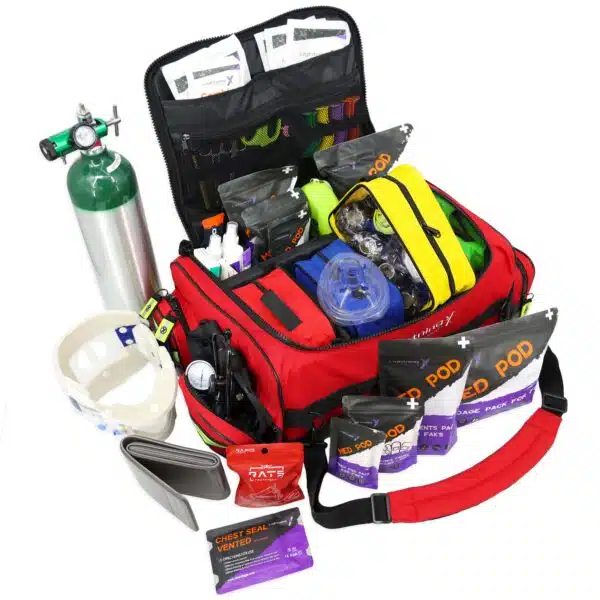
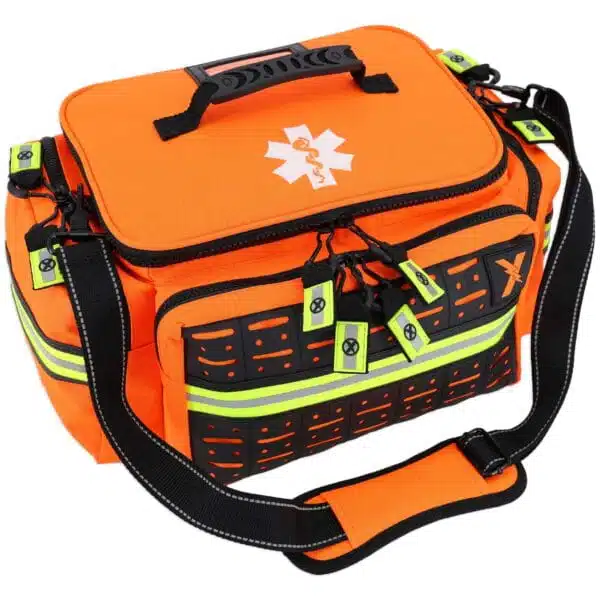
Premium Modular ALS Oxygen Trauma Kit | MB65-SKD
Original price was: $409.99.$348.49Current price is: $348.49.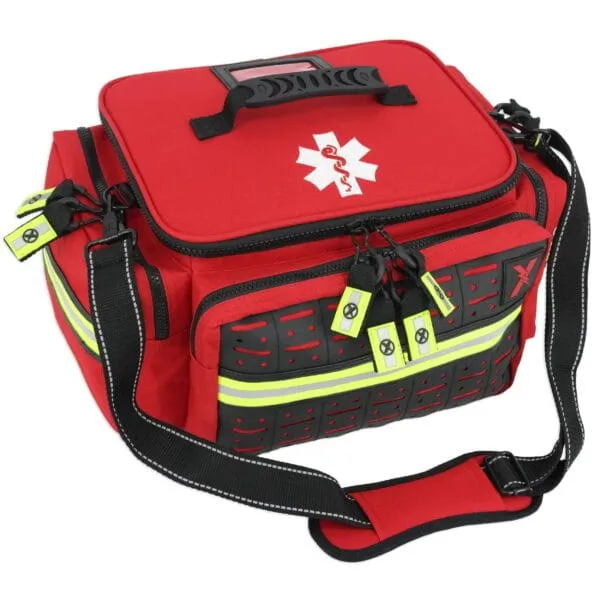
 Fluorescent Yellow
Navy Blue
Orange
Red
Fluorescent Yellow
Navy Blue
Orange
Red
Medium First Responder EMT Bag | LXMB25
Original price was: $59.99.$50.99Current price is: $50.99.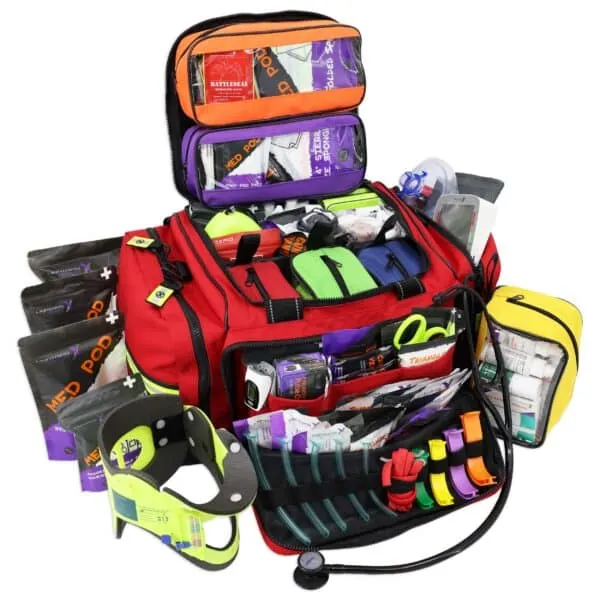
 Fluorescent Orange
Navy Blue
Red
Fluorescent Orange
Navy Blue
Red
Modular Intermediate Trauma Bag w/ Advanced Fill Kit | MB35-SKF
Original price was: $349.99.$297.49Current price is: $297.49.
 Fluorescent Yellow
LXZP10 Reflective Zipper Pulls
Original price was: $10.99.$9.34Current price is: $9.34.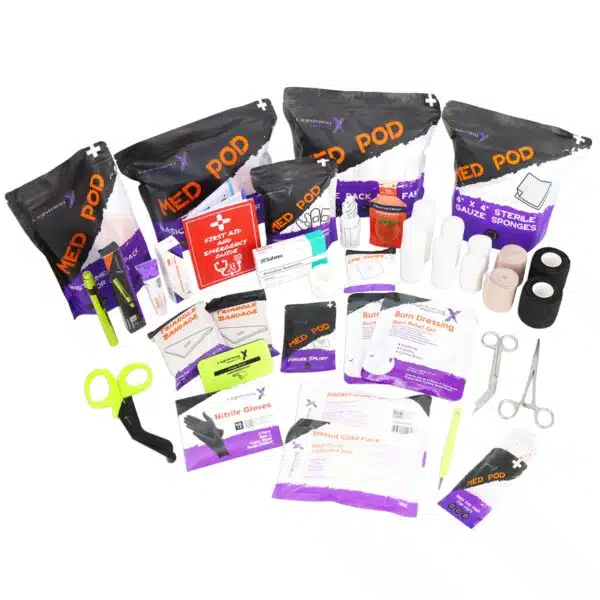

LXSMK-A Basic First Aid Trauma Refill Kit – EMS Restock Pack
Original price was: $59.99.$50.99Current price is: $50.99.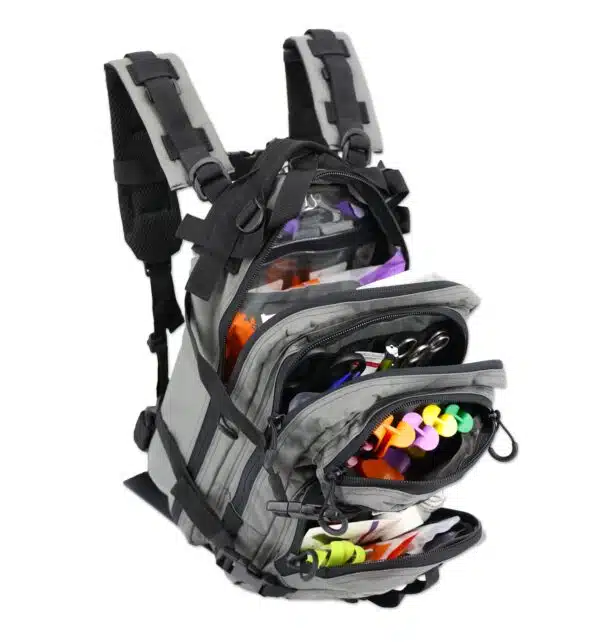
 Black / Gray
 Black Camo
 Coyote Tan
 Multicam
 Olive Drab
Red
Olive Drab
Red
 Stealth Black
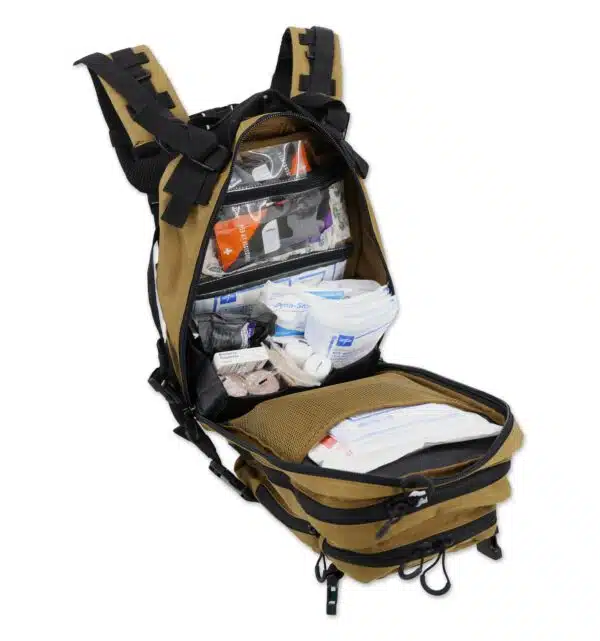
Tactical Assault Backpack w/ Trauma & Bleeding Fill Kit | PB89-SKM
Original price was: $229.99.$195.49Current price is: $195.49.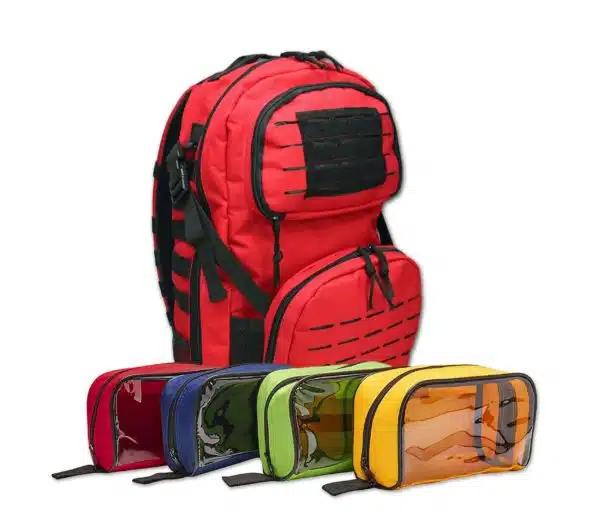
 Desert Tan
Red
Desert Tan
Red
LXMB45 Modular TacMed Backpack
Original price was: $119.99.$101.99Current price is: $101.99.
 Navy Blue
Orange
Navy Blue
Orange
Special Events EMT Backpack w/ Standard Fill Kit | MB40-SKB
Original price was: $159.99.$119.99Current price is: $119.99.
 Red
Red
Modular TacMed Oxygen Backpack | LXMB60
Original price was: $179.99.$152.99Current price is: $152.99.Conclusion
The EMS jump bag is more than just a bag; it’s a testament to the commitment, dedication, and passion of those in the emergency medical field. As we’ve delved into its contents, its history, and its significance, we’re reminded of the crucial role preparation plays in saving lives. It underscores a simple yet profound truth: in emergencies, being prepared isn’t just half the battle; it often means the difference between life and death.
Frequently Asked Questions
An EMS jump bag is the grab-and-go bag of life-saving equipment an EMT or paramedic carries to a scene. Packed and checked regularly, it holds the airway, breathing, bleeding-control, and assessment tools needed for fast first response before and during patient transport.
A well-stocked jump bag covers each priority: airway tools such as oral airways and a bag valve mask, bleeding control like tourniquets and hemostatic and plain gauze, dressings and bandages, diagnostics such as a blood pressure cuff and stethoscope, gloves and other personal protective equipment, and basic medications per your protocol.
A jump bag is a broad first-response kit covering airway, breathing, circulation, and assessment for many call types. A trauma bag is focused on injury and hemorrhage control, carrying more tourniquets, hemostatic gauze, and large dressings. Many services carry both, matched to the call.
Restock after every call that uses supplies, and inspect the bag on a set schedule to replace anything expired, damaged, or missing. Regular checks matter because a jump bag is only useful if every item inside is present, in date, and ready the moment you need it.
Match the bag to your scope of care. A medium jump bag suits basic life support loadouts, while advanced life support crews carrying airway, IV, medication, and oxygen gear need a larger, structured bag. Choose enough organized space for your protocol without making the bag too bulky to carry.


 Accessories
 Gear Bag Accessories
 Glove Straps
 Med Pouches
 SCBA Mask Bags
 Small Bags & Kits
 Clearance
 Embroidery
 Personalized EMT Bags
 Personalized Firefighting Bags
 Personalized Patches
 FireFighting Bags
 Bags Under $60
 No Logo Gear Bags
 Package Deals
 Rescue Bags
 Rolling Gear Bags
 SCBA Mask Bags
 Step-In Turnout Bags
 First Responder Kits
 Backpack/Sling Kits
 Beginner Kits
 Everyday First Aid Kits
 Intermediate Kits
 Kits under $150
 Kits w/ Oxygen
 OSHA First Aid Kits
 Portable First Aid Kits
 Stocked Kits
 Tactical Trauma Kits
 Custom Kit Builder
 Medical Bags
 Backpacks & Slings
 Basic EMT Bags
 Bags Under $60
 IFAKs & Pouches
 Modular EMT Bags
 Oxygen Bags
 TacMed Bags
 New
New Supplies
 Airway & Breathing
 Bleeding/TacMed
 Diagnostic
 First Aid & Meds
 Gauze/Bandages
 Hemostatic
 Instruments / Misc
 Med Pods & Mini Kits
 Splinting/Immobilization
 Tactical Bags
 Backpacks & Slings
 Fire Police Bags
 IFAK Pouches
 Law Enforcement Bags
 Tactical Accessories
 Tactical Trauma Kits
 Backpacks & Slings
 Kits w/ QuikClot
 Refill Kits
 Small Kits + IFAK’s