

Why Every Firefighter Needs a Turnout Gear Bag: It’s More Than Just Storage

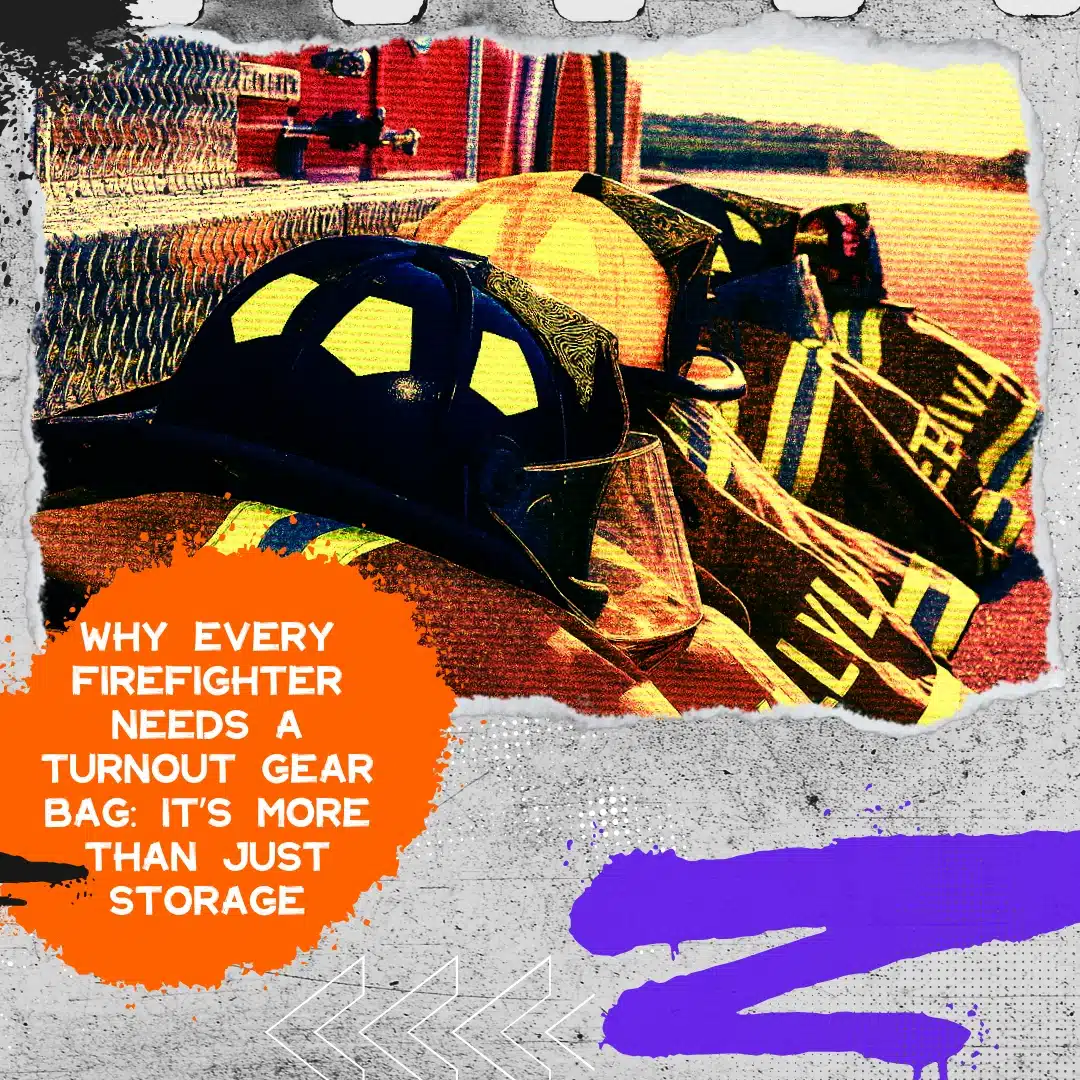
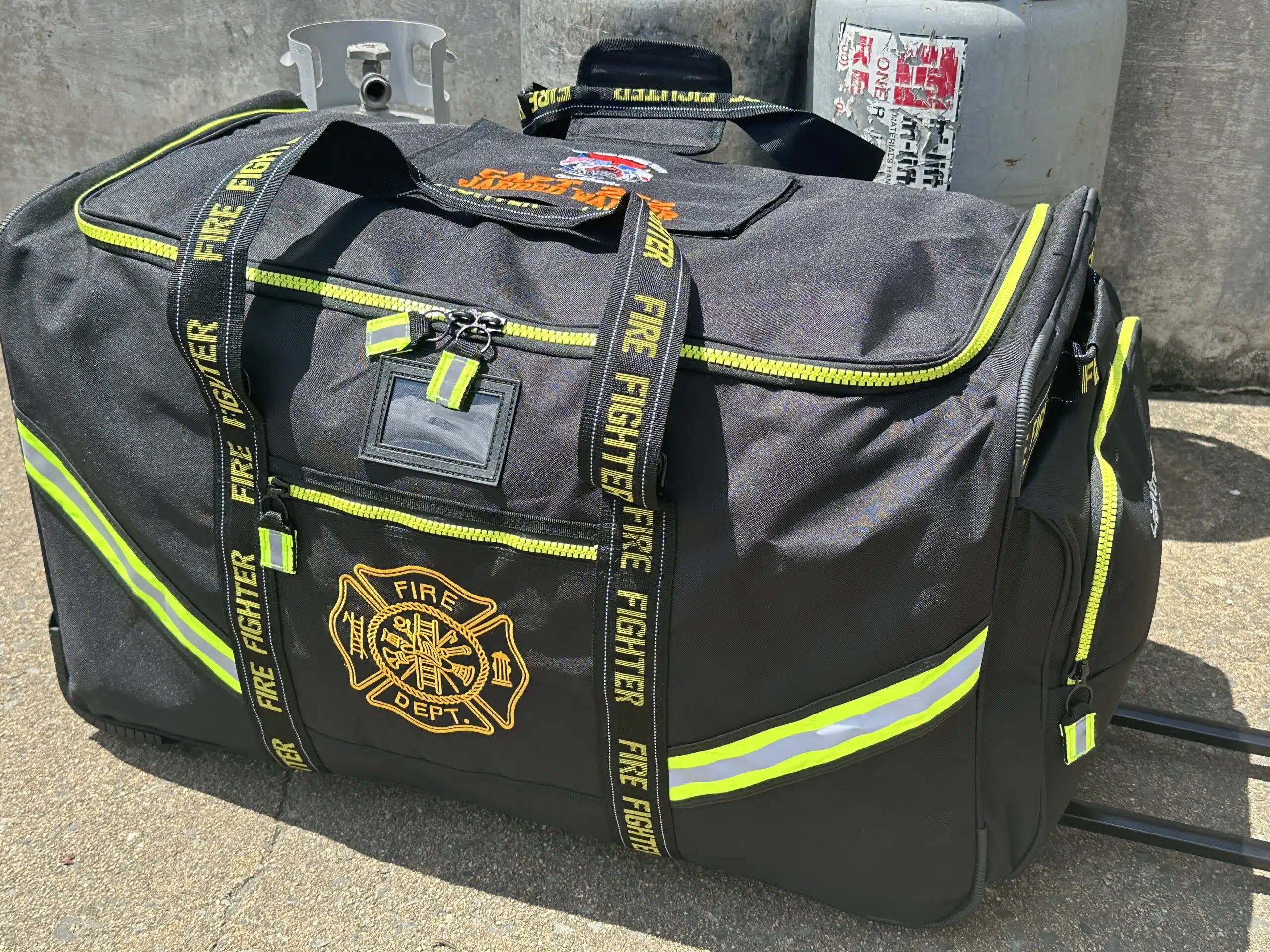
UV rays break down the molecular structure of aramid fibers, causing them to become brittle and discolored. What might look like “just some fading” is often a sign that the fabric’s thermal resistance has been compromised. Worse yet, this kind of damage isn’t always obvious until it’s too late. A good turnout gear bag acts as a first line of defense, keeping your gear out of the sun, reducing UV damage, and helping ensure your protective clothing actually protects you when it counts.
Turnout gear bags also provide critical organization. In the chaos of an emergency, time is everything. Having your gear stashed in multiple locations or scattered across the rig can cost precious seconds. A well-designed bag allows you to keep all your essentials, from gloves and hoods to flashlights and tools, in one secure, accessible place. Whether you’re jumping on the engine for a structure fire or heading out for mutual aid, being organized means being ready.
The gear bag market has come a long way. Today, firefighters can choose from bags in all shapes, sizes, and configurations to match their unique needs. Some come with rigid walls and wheels for station-to-scene transport. Others are lightweight and compact for quick access. Whether you’re on a tight budget or need something built for heavy-duty use, there’s a gear bag that fits your lifestyle.
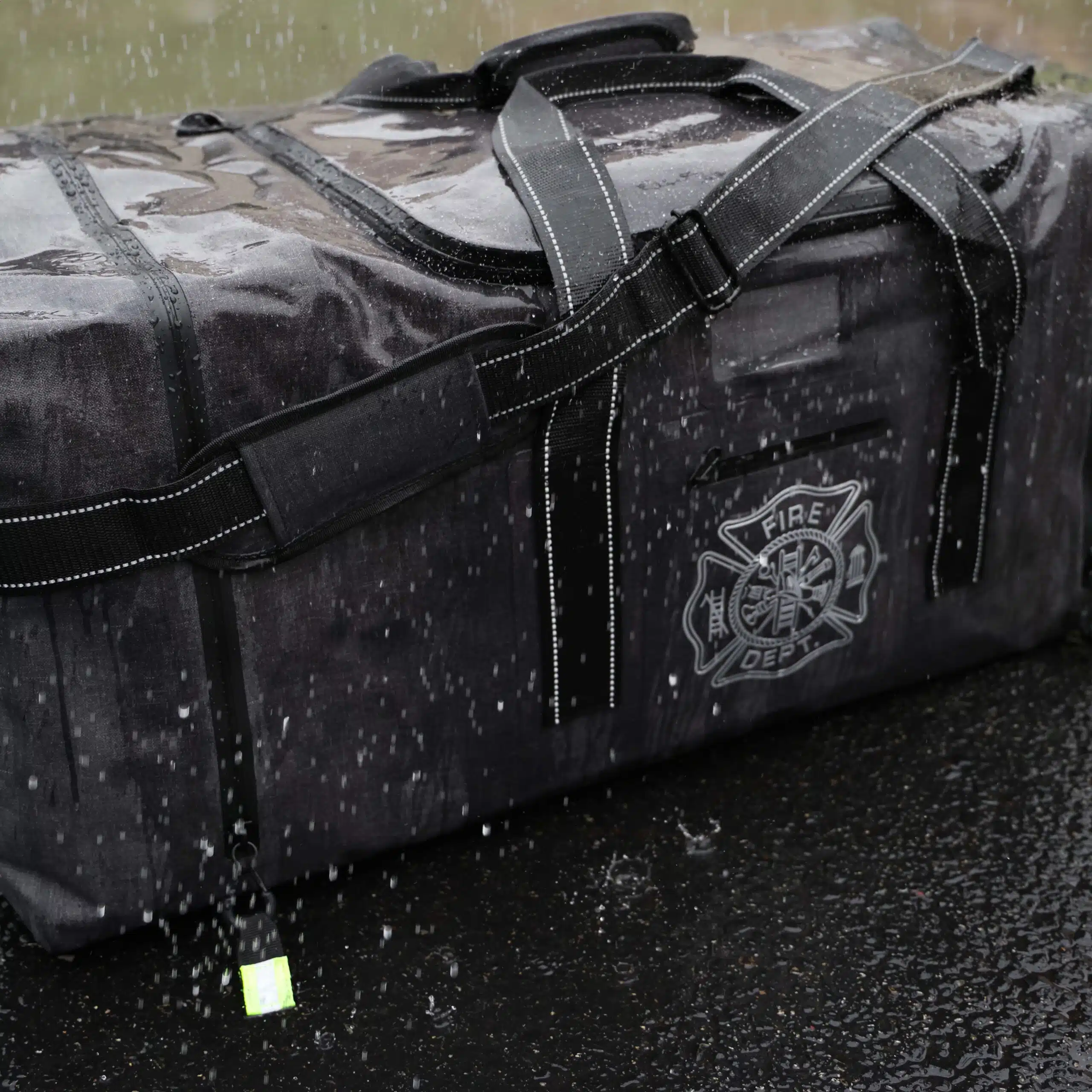
One standout is the Lightning X LXFB99-G, a turnout gear bag specifically engineered for containment and health protection. It’s not just waterproof; it’s airtight, thanks to heat-welded seams that eliminate needle holes where air or contaminants could escape. Why is this important? Because the gear you wear into a burning building doesn’t stop being dangerous after the fire is out. Off-gassing from used turnout gear releases volatile organic compounds (VOCs) and toxic residues, including known carcinogens like benzene, formaldehyde, and polycyclic aromatic hydrocarbons (PAHs). These chemicals can linger on gear for hours and be absorbed through skin contact or inhaled.
The impact is staggering. According to the International Association of Fire Fighters (IAFF), cancer is now the leading cause of death among firefighters. Nearly 75% of line-of-duty deaths in recent years are attributed to occupational cancer. One study by the CDC and NIOSH found that firefighters have a 14% higher risk of dying from cancer compared to the general population, and that risk only increases with repeated exposure to toxic substances trapped in unwashed gear. The LXFB99-G helps limit this exposure by sealing contaminated gear until it can be professionally cleaned and decontaminated, keeping those toxins out of your vehicle, your station, and your lungs.
Stories of firefighters being diagnosed with cancer in their 30s and 40s, some just a few years into their careers, have become tragically common. Departments across the country are now adopting new SOPs to handle contaminated gear, including the use of containment bags. As one veteran chief put it, “We used to wear our dirty gear like a badge of honor. Now we realize we were wearing a warning sign.”
Of course, not everyone needs a containment-style turnout bag. That’s why Lightning X Products offers a full lineup for the fire and public safety community, including traditional turnout bags, SCBA mask bags, trauma bags, and more. Whether you’re on the job, in training, or volunteering on weekends, protecting your gear means protecting yourself.
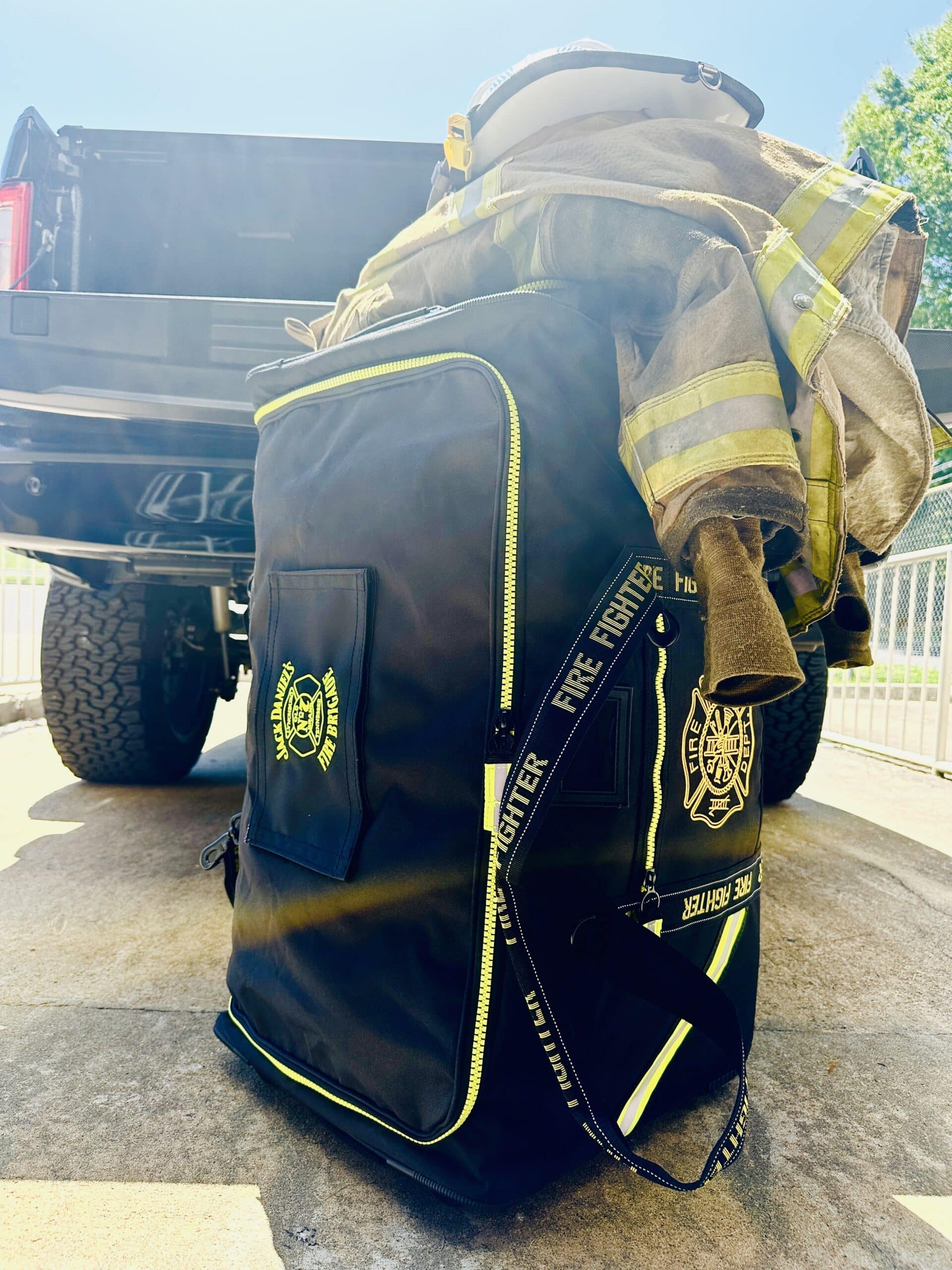
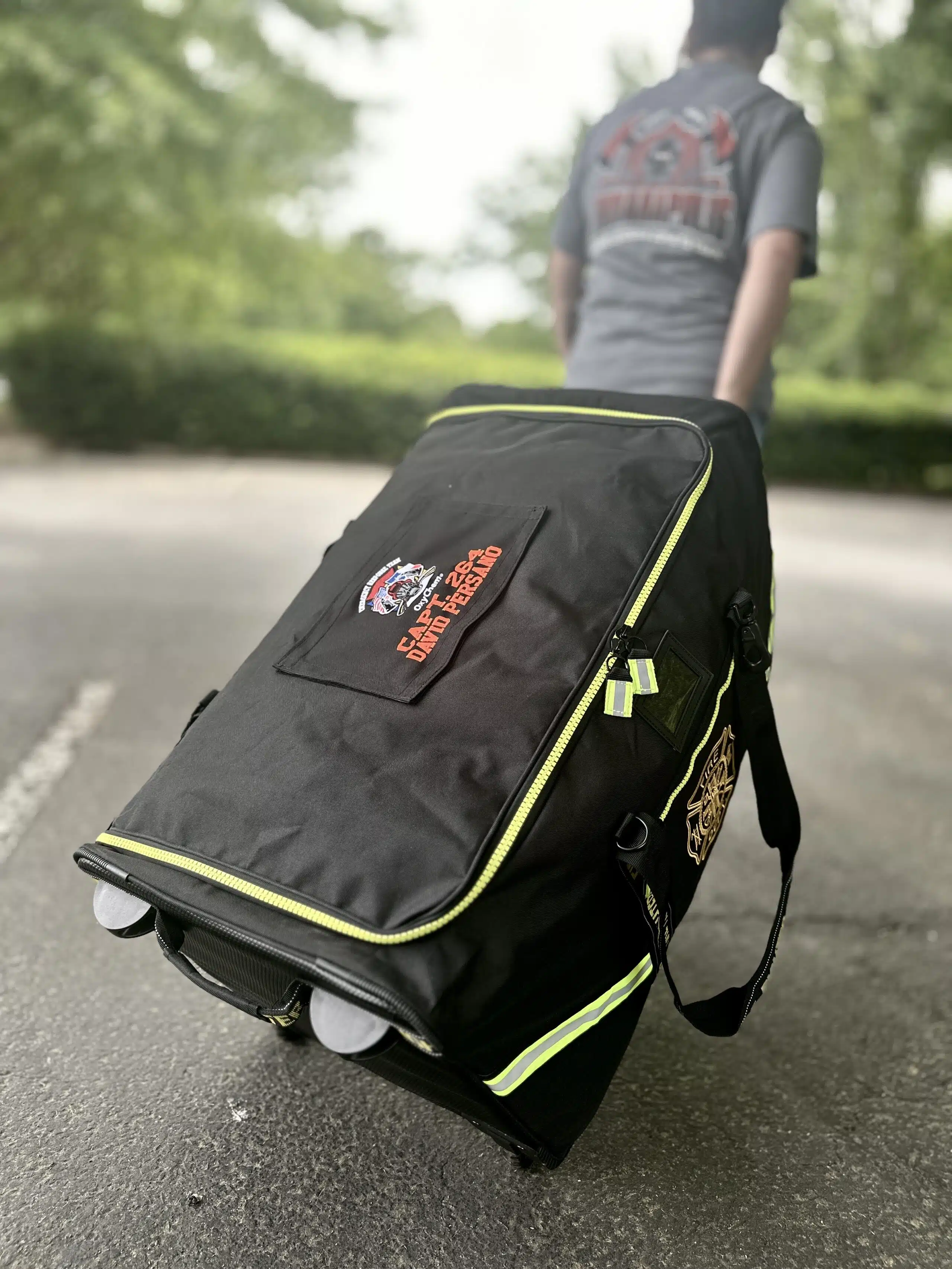
Want to learn more or upgrade your gear storage? Check out the full collection here or browse from the recommended items below, because your life-saving tools deserve life-extending care.
Stay safe out there!
 Red
Red
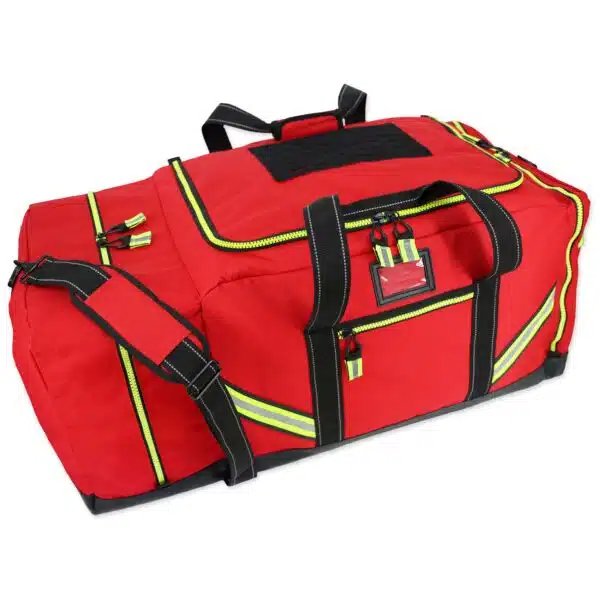
The Original 3XL Firefighter Turnout Gear Bag | LXFB10
Original price was: $89.99.$76.49Current price is: $76.49.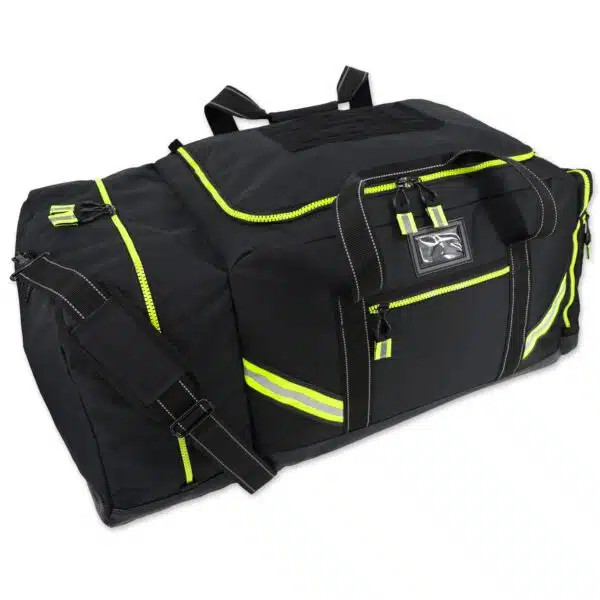
 Red
Red
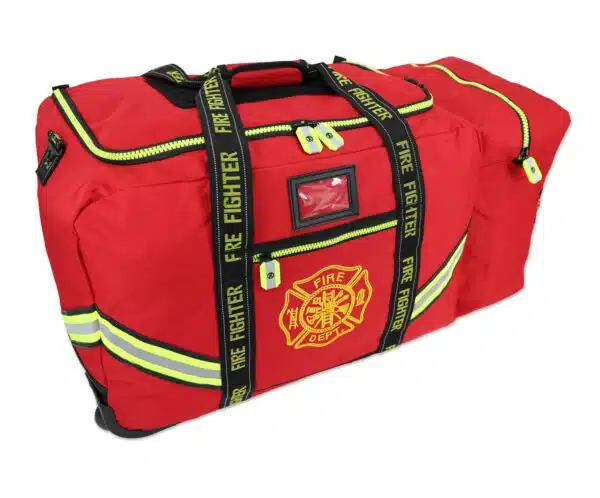
3XL Turnout Bag | No Logo | LXFB10-NL
Original price was: $79.99.$67.99Current price is: $67.99.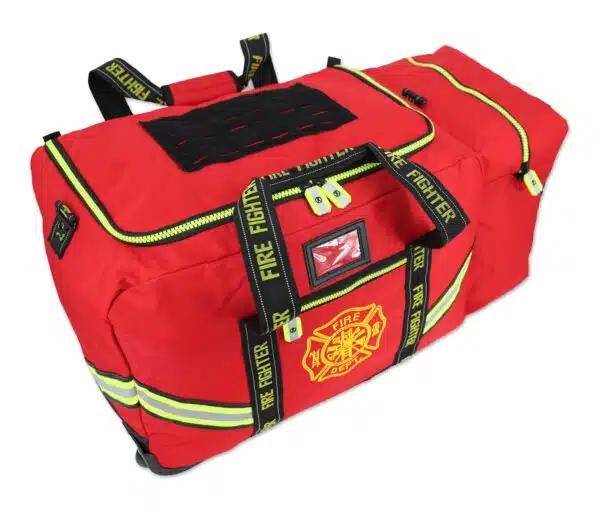
 Red
Red
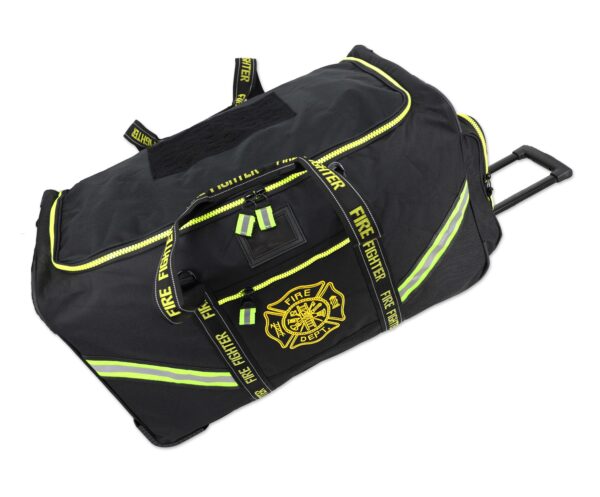
Rolling Firefighter Turnout Gear Bag | LXFB10WV
Original price was: $99.99.$84.99Current price is: $84.99.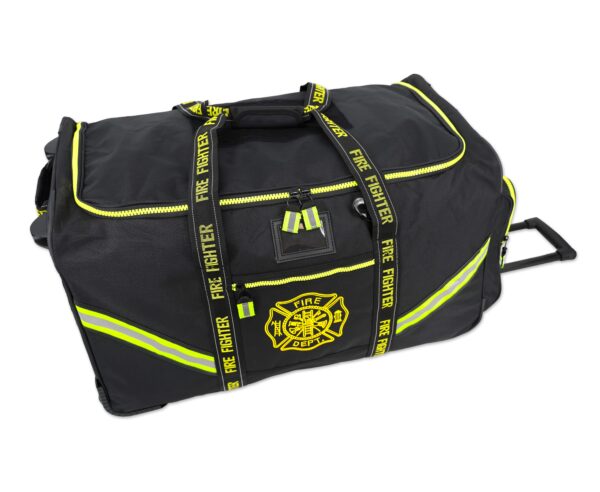
 Red
Red
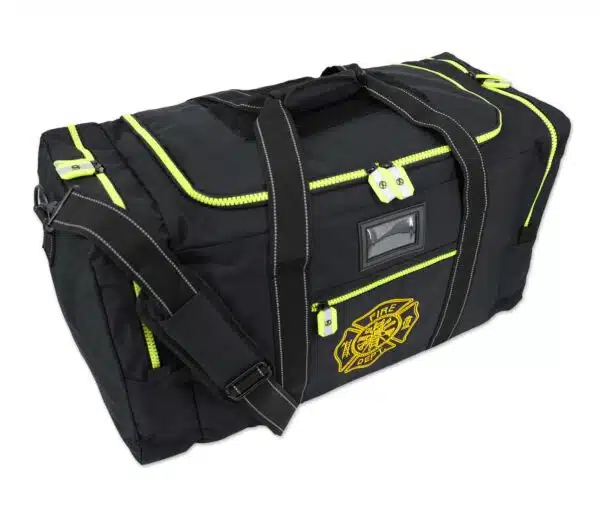
Premium Rolling Turnout Bag | LXFB60
Original price was: $169.99.$144.49Current price is: $144.49.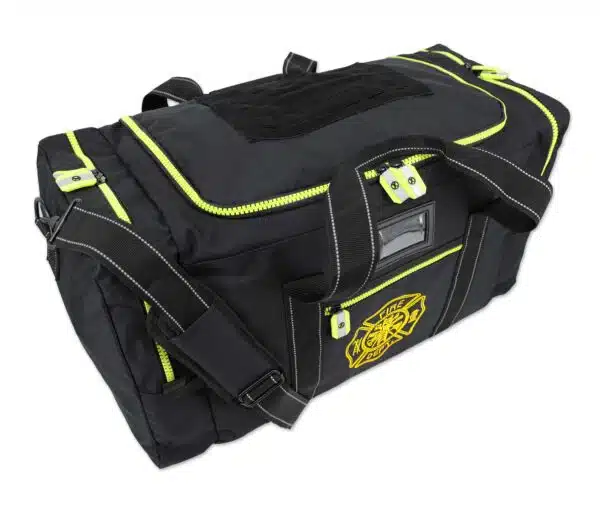
 Pink
Red
Pink
Red
Value Turnout Gear Bag | LXFB40
Original price was: $59.99.$50.99Current price is: $50.99.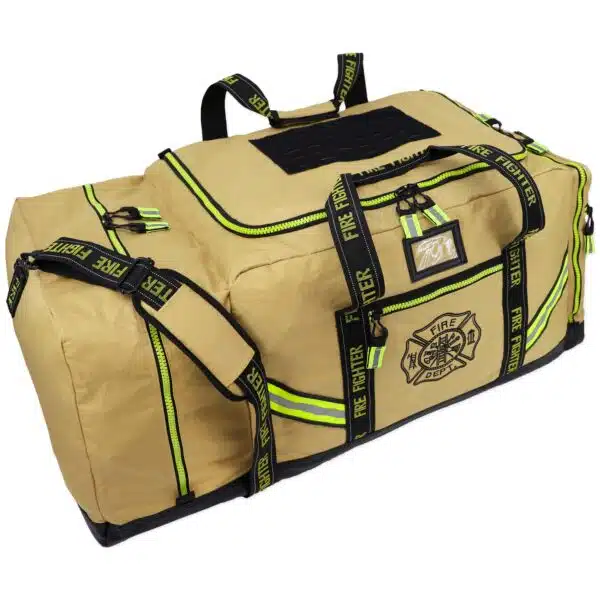
 Turnout Tan
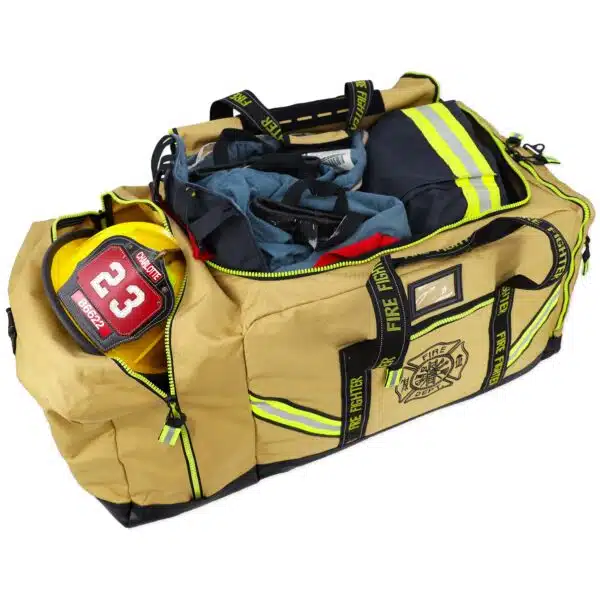
3XL Ripstop Turnout Gear Bag | LXFB10XT
Original price was: $99.99.$84.99Current price is: $84.99.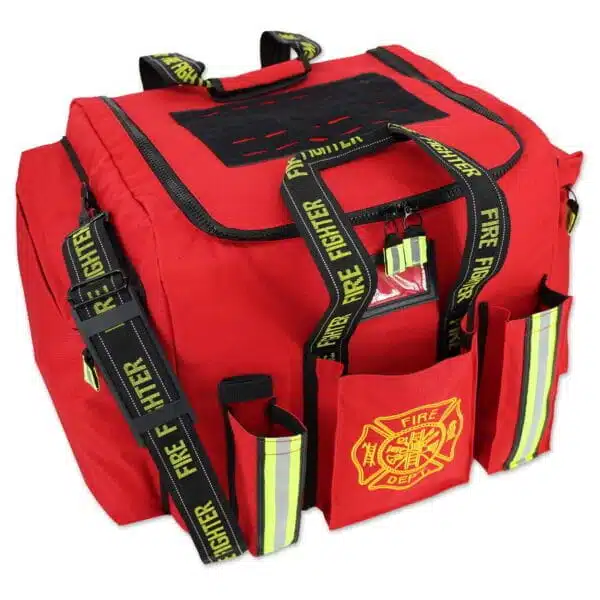
 Red
Red
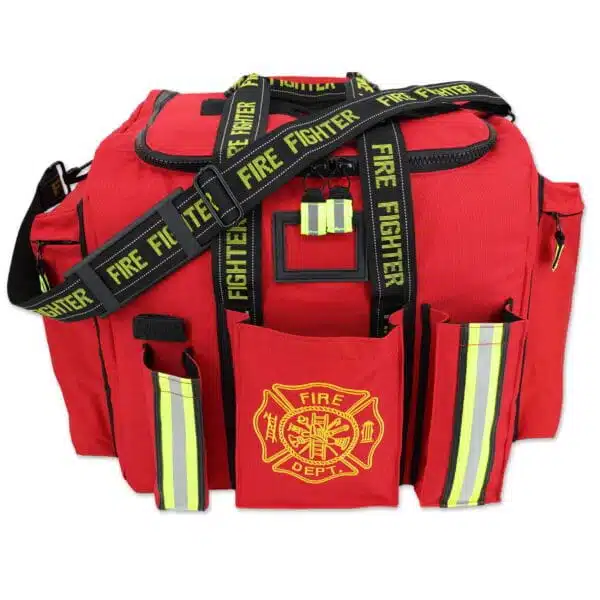
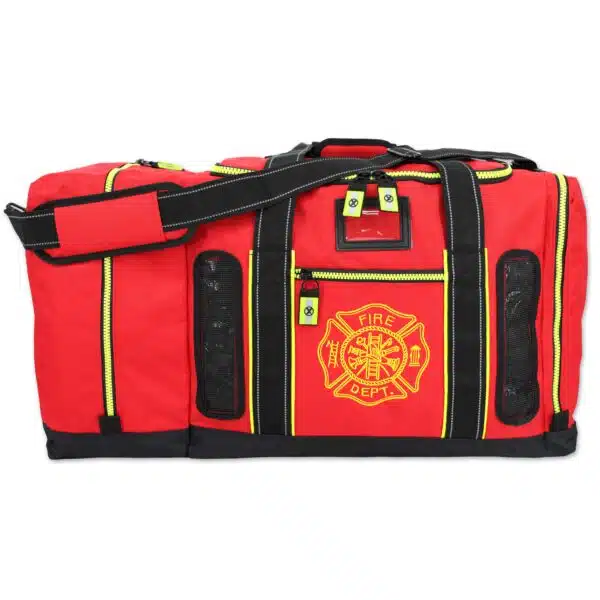
Premium Padded Turnout Gear Bag LXFB20
Original price was: $69.99.$59.49Current price is: $59.49.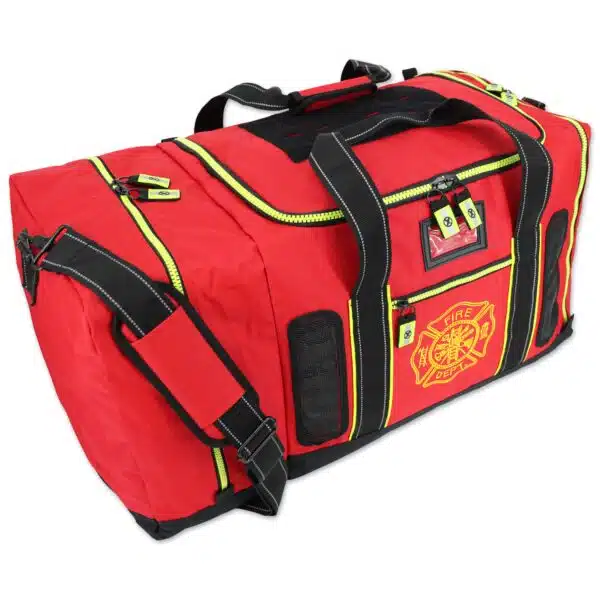
 Fluorescent Yellow
Red
Fluorescent Yellow
Red
Quad Vent Turnout Gear Bag | LXFB45
Original price was: $69.99.$59.49Current price is: $59.49.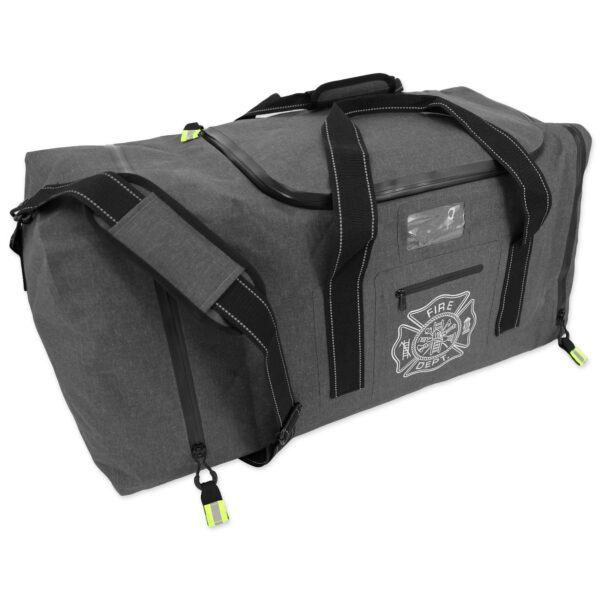
 Grey
Grey
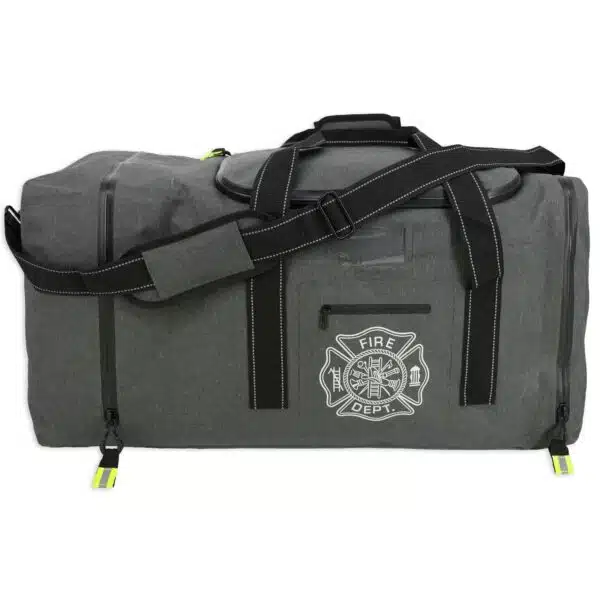
Carcinogen Resistant Containment Turnout Bag IP67 Rated | LXFB99
Original price was: $149.99.$127.49Current price is: $127.49.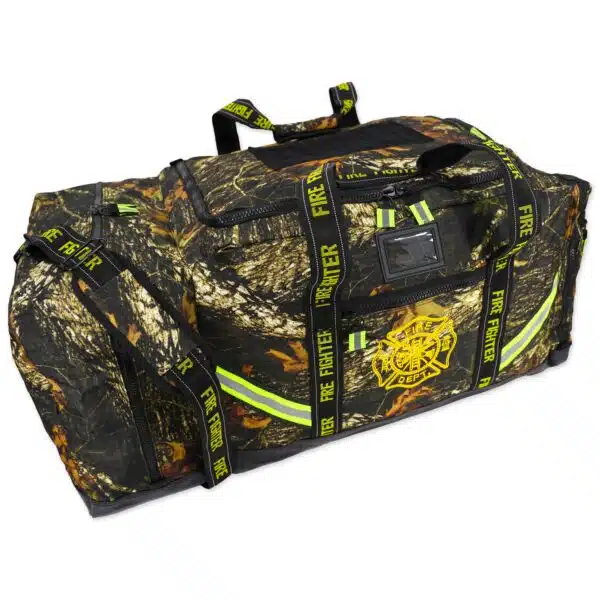
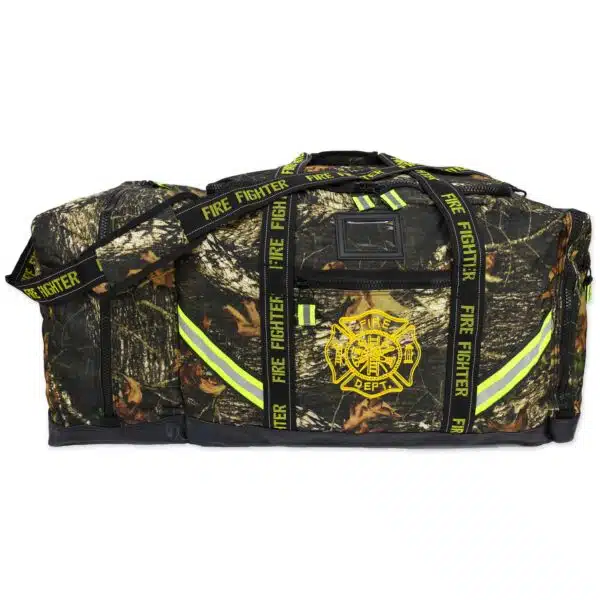
Camo 3XL Turnout Gear Bag LXFB10DC
Original price was: $99.99.$84.99Current price is: $84.99.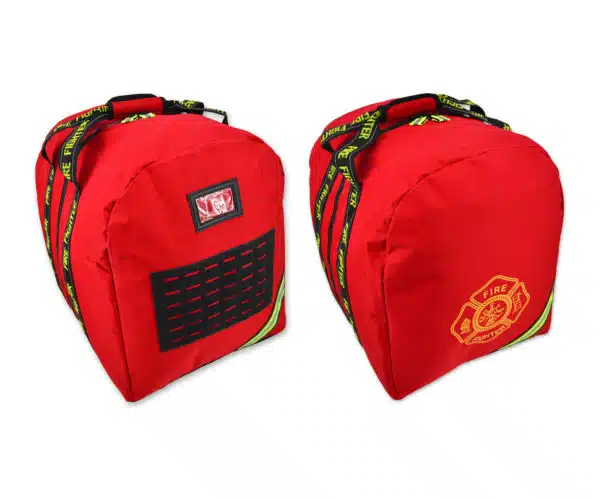
 Red
Red
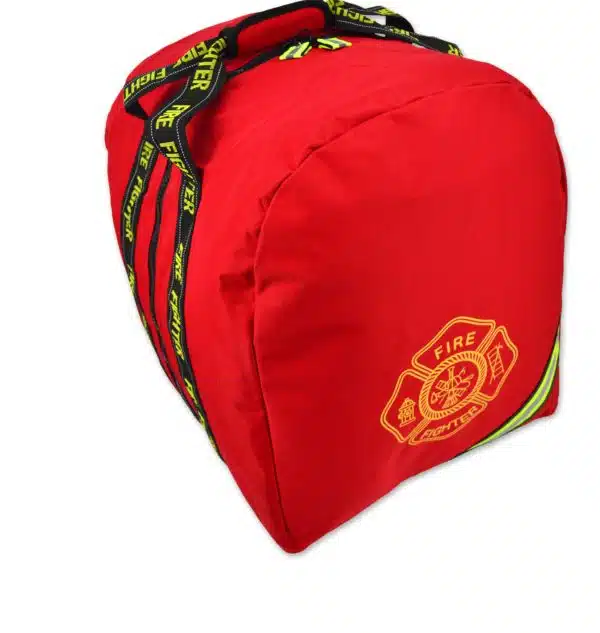
Compact Boot Style Turnout Bag LXFB70
Original price was: $44.99.$38.24Current price is: $38.24.Frequently Asked Questions
A turnout gear bag protects expensive PPE and keeps it ready. It shields the gear from sunlight, which degrades the protective fabric, and it keeps your coat, pants, helmet, gloves, hood, and tools organized in one place, so you can move fast when a call comes in.
Yes. UV radiation breaks down the aramid fibers in outer shells like Kevlar and Nomex, making them brittle and discolored and reducing their strength and thermal protection. Studies have shown UV exposure can cut outer-shell strength significantly within months, and the damage is not always visible until it has compromised the gear.
Choose a bag large enough to hold your full ensemble at once: coat, pants, helmet, boots, gloves, hood, and SCBA mask, plus personal items. A larger 3XL-style bag keeps a complete set together so nothing gets left behind, while smaller bags suit partial loadouts or single components.
They help. Combustion byproducts and carcinogens cling to used turnout gear, so keeping that gear contained in a dedicated bag, separate from your cab and personal space, supports cleaner handling and decontamination and reduces the chance of spreading contaminants to skin, vehicles, and living areas.
The best style depends on how you carry and load gear. Duffel and backpack bags are versatile and easy to grab, rolling bags ease heavy loads, and step-in bags let you stage and don gear quickly. Match the format to your apparatus, response style, and how much you carry.


 Accessories
 Gear Bag Accessories
 Glove Straps
 Med Pouches
 SCBA Mask Bags
 Small Bags & Kits
 Clearance
 Embroidery
 Personalized EMT Bags
 Personalized Firefighting Bags
 Personalized Patches
 FireFighting Bags
 Bags Under $60
 No Logo Gear Bags
 Package Deals
 Rescue Bags
 Rolling Gear Bags
 SCBA Mask Bags
 Step-In Turnout Bags
 First Responder Kits
 Backpack/Sling Kits
 Beginner Kits
 Everyday First Aid Kits
 Intermediate Kits
 Kits under $150
 Kits w/ Oxygen
 OSHA First Aid Kits
 Portable First Aid Kits
 Stocked Kits
 Tactical Trauma Kits
 Custom Kit Builder
 Medical Bags
 Backpacks & Slings
 Basic EMT Bags
 Bags Under $60
 IFAKs & Pouches
 Modular EMT Bags
 Oxygen Bags
 TacMed Bags
 New
New Supplies
 Airway & Breathing
 Bleeding/TacMed
 Diagnostic
 First Aid & Meds
 Gauze/Bandages
 Hemostatic
 Instruments / Misc
 Med Pods & Mini Kits
 Splinting/Immobilization
 Tactical Bags
 Backpacks & Slings
 Fire Police Bags
 IFAK Pouches
 Law Enforcement Bags
 Tactical Accessories
 Tactical Trauma Kits
 Backpacks & Slings
 Kits w/ QuikClot
 Refill Kits
 Small Kits + IFAK’s